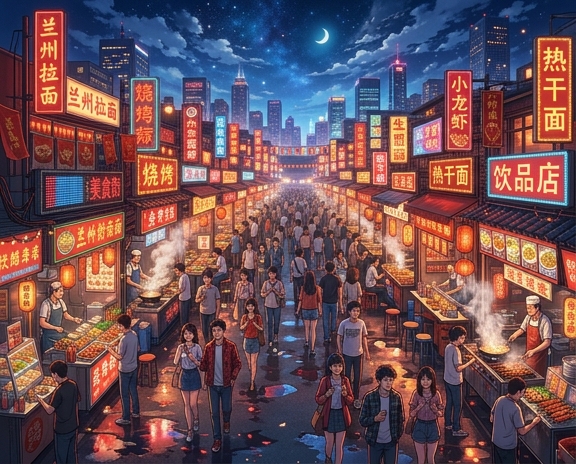
Эволюция туризма в Китае: от наблюдателей до участников
Китайские туристические и культурные предложения эволюционируют, предлагая международным туристам более погруженный и разнообразный опыт, выходящий за пределы природных ландшафтов и исторических мест.
Китай, страна древних традиций и современных чудес, undergoes a transformation in its travel and cultural offerings. The focus is no longer solely on natural wonders and historical relics; the country is now embracing a new wave of experiences tailored to international travelers. This shift is marked by the integration of intangible cultural heritage, culinary delights, lifestyle immersion, rural culture, and the aesthetic of traditional Chinese culture, collectively known as 'Guofeng Meixue' or 'National Style Aesthetics'.
**Нематериальное культурное наследие**: Это refers to the living traditions, practices, and expressions that communities have inherited from their ancestors. It includes art forms like Chinese opera, calligraphy, and traditional medicine. These cultural elements are now being woven into travel experiences, allowing tourists to engage with and learn about these ancient practices. Например, китайский оперный театр, сравнимый с русской оперой, или каллиграфия, напоминающая известные работы русских художников, такие как Иван Грабарь.
**Кулинарные изыски**: Chinese cuisine is a cornerstone of the country's cultural identity. From the spicy and numbing Sichuan dishes to the delicate and refined Cantonese cuisine, food is a major draw for tourists. The integration of local ingredients and cooking techniques into travel itineraries provides a unique culinary experience. Например, шанхайская кухня, известная своими морепродуктами и рисовыми завтраками, или кантонская кухня с ее изысканными десертами.
**Иммерсия в образ жизни**: Travelers can now participate in workshops and classes that teach traditional crafts, such as making Chinese tea, practicing Tai Chi, or learning to play the guzheng (a traditional Chinese zither). This immersive approach allows visitors to experience the essence of Chinese daily life. Например, мастер-классы по чаепитию, которые проводятся в традиционных китайских домах, или уроки тай чи, которые напоминают известные в России системы оздоровления.
**Рural Culture**: China's vast rural landscape offers a stark contrast to its bustling cities. Visitors can explore picturesque villages, participate in agricultural activities, and stay in traditional accommodations. This experience not only showcases the country's natural beauty but also its rich rural heritage. Например, посещение деревень Хуацяо, которые известны своими традиционными домами и ремеслами, или участие в традиционных сельскохозяйственных работах.
**Guofeng Meixue**: This concept encapsulates the aesthetic and philosophical aspects of traditional Chinese culture. It includes elements like calligraphy, painting, and the appreciation of nature. Travel experiences that focus on Guofeng Meixue aim to provide a deeper understanding of Chinese aesthetics and philosophy. Например, посещение галерей каллиграфии или участие в мастер-классах по живописи, которые помогут понять основы китайской философии.
**Технология и образование**: The integration of technology in travel experiences is also a notable trend. Virtual reality (VR) tours, augmented reality (AR) experiences, and mobile apps that provide cultural insights and language translation are becoming increasingly popular. Например, использование VR-туров для виртуального посещения исторических мест или AR-приложений для понимания китайских иероглифов.
**Торговля и развлечение**: China's shopping scene is as diverse as its culture. From the bustling markets of Shanghai to the high-end boutiques of Beijing, there's something for every taste. Entertainment options range from traditional performances like Peking Opera to modern attractions like theme parks and shopping malls. Например, посещение шанхайского рынка Цзинцзянцзе или покупка вещей в бутиках Пекина.
**Транспорт и городская жизнь**: The country's extensive transportation network makes it easy for tourists to explore different regions. Cities like Shanghai and Beijing offer a blend of ancient architecture and modern skyscrapers, showcasing the dynamic nature of Chinese urban life. Например, посещение исторического района Цзинши в Пекине или прогулка по небоскребам Шанхая.
В заключение, китайский туристический сектор эволюционирует, предлагая более полное и погруженное приключение. Международные туристы уже не просто наблюдатели; они становятся активными участниками богатого многообразия китайской культуры. Этот сдвиг открывает новые возможности для культурного обмена и понимания, делая Китай еще более привлекательной目的地 для путешественников со всего мира.