China's Travel Evolution: From Spectators to Players
China's travel and cultural experiences are evolving, offering international tourists a more immersive and diverse adventure beyond natural landscapes and historical sites.
China, a land of ancient traditions and modern marvels, is experiencing a transformation in its travel and cultural offerings. No longer is the focus solely on natural wonders and historical relics; the country is now embracing a new wave of experiences that cater to the international traveler. This shift is marked by the integration of intangible cultural heritage, culinary delights, lifestyle immersion, rural culture, and the aesthetic of traditional Chinese culture, collectively known as 'Guofeng Meixue' or 'National Style Aesthetics'.
**Intangible Cultural Heritage**: This refers to the living traditions, practices, and expressions that communities have inherited from their ancestors. It includes art forms like Chinese opera, calligraphy, and traditional medicine. These cultural elements are now being woven into travel experiences, allowing tourists to engage with and learn about these ancient practices.
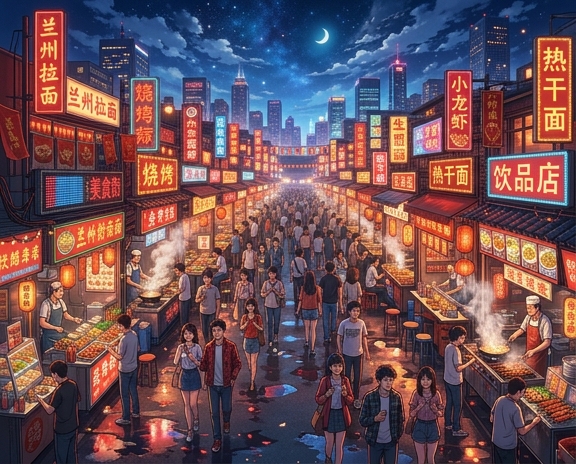
**Culinary Delights**: Chinese cuisine is a cornerstone of the country's cultural identity. From the spicy and numbing Sichuan dishes to the delicate and refined Cantonese cuisine, food is a major draw for tourists. The integration of local ingredients and cooking techniques into travel itineraries provides a unique culinary experience.
**Lifestyle Immersion**: Travelers can now participate in workshops and classes that teach traditional crafts, such as making Chinese tea, practicing Tai Chi, or learning to play the guzheng (a traditional Chinese zither). This immersive approach allows visitors to experience the essence of Chinese daily life.
**Rural Culture**: China's vast rural landscape offers a stark contrast to its bustling cities. Visitors can explore picturesque villages, participate in agricultural activities, and stay in traditional accommodations. This experience not only showcases the country's natural beauty but also its rich rural heritage.
**Guofeng Meixue**: This concept encapsulates the aesthetic and philosophical aspects of traditional Chinese culture. It includes elements like calligraphy, painting, and the appreciation of nature. Travel experiences that focus on Guofeng Meixue aim to provide a deeper understanding of Chinese aesthetics and philosophy.
**Technology and Education**: The integration of technology in travel experiences is also a notable trend. Virtual reality (VR) tours, augmented reality (AR) experiences, and mobile apps that provide cultural insights and language translation are becoming increasingly popular.
**Shopping and Entertainment**: China's shopping scene is as diverse as its culture. From the bustling markets of Shanghai to the high-end boutiques of Beijing, there's something for every taste. Entertainment options range from traditional performances like Peking Opera to modern attractions like theme parks and shopping malls.
**Transport and City Life**: The country's extensive transportation network makes it easy for tourists to explore different regions. Cities like Shanghai and Beijing offer a blend of ancient architecture and modern skyscrapers, showcasing the dynamic nature of Chinese urban life.
In conclusion, China's travel industry is evolving to offer a more comprehensive and immersive experience. International tourists are no longer just spectators; they are becoming active participants in the rich tapestry of Chinese culture. This shift is opening up new opportunities for cultural exchange and understanding, making China an even more attractive destination for travelers from around the world.