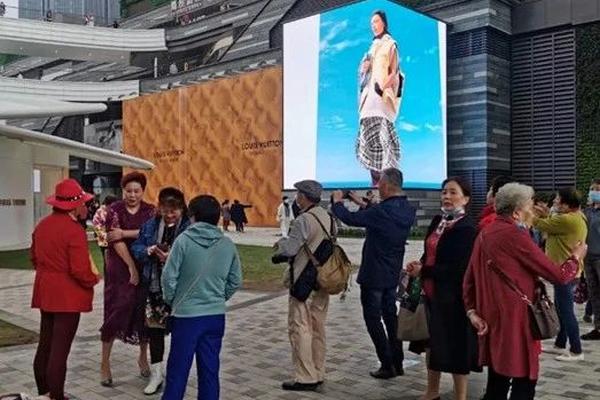
Revolutionizing Retirement: China's Shopping Malls and the Silver Economy
China's aging population is fueling a surge in 'experience-based' spending, transforming shopping malls into hubs for the silver economy, as seen in innovative projects like 'Life Museum' in Ginza, Tokyo.
In a fascinating turn of events, China's shopping malls are embracing the silver economy, capitalizing on the spending power and lifestyle preferences of the elderly. This shift is inspired by a trend observed in Japan, where 65-year-olds and above allocate 45% of their disposable income to 'experience-based' consumption, compared to just 18% in China. This revelation is highlighted by DeepSeek, a Chinese news website, and echoes the findings of Japan's Cabinet Office.
The concept of 'time-rich' consumption is gaining traction in China, and it's not just about spending money; it's about spending time in meaningful ways. This is reflected in the rise of unique and personalized experiences that cater to the elderly. For instance, in Ginza, Tokyo, the famous department store Seiyu has launched the 'Life Museum' project, where seniors pay to display their personal collections. The average monthly transaction value is a staggering 8.7 million yen (about $77,000 USD). This is a stark contrast to China, where such projects are still in their nascent stages but show great potential.
In Kyoto, the BAL department store has taken a different approach with the 'Memory Material Workshop.' This service offers customized experiences that evoke the nostalgia of childhood, with prices that can be three times higher than standard services. Such innovative initiatives are not just about generating revenue; they are about creating a sense of community and belonging among the elderly.
The success of these projects can be attributed to several factors. Firstly, the aging population in China is growing, and with it, the demand for such experiences. Secondly, the Chinese elderly, often referred to as the 'Silver Generation,' have accumulated significant wealth over the years and are looking for ways to spend it on meaningful activities. Lastly, the Chinese government's push for a 'positive aging' policy is encouraging businesses to cater to the needs of the elderly.
In terms of cultural context, the 'Silver Generation' in China is characterized by a strong sense of tradition and family values. They are often seen as the pillars of society, with a wealth of life experience to share. This generation has seen significant changes in China's economy and society, and they are now enjoying the fruits of their labor.
The rise of the silver economy in China's shopping malls is also a testament to the country's evolving consumer landscape. As China continues to urbanize and its economy grows, there is a shift towards more experiential and emotional purchases. This is evident in the increasing popularity of activities like travel, gourmet dining, and cultural experiences among the elderly.
Shopping malls in China are responding to this trend by offering a variety of services and experiences tailored to the elderly. From health and wellness centers to cultural exhibitions, these malls are becoming destinations for the Silver Generation. This not only enhances the quality of life for the elderly but also drives economic growth.
In conclusion, the silver economy is a significant trend in China's retail landscape. As shopping malls innovate to cater to the needs of the elderly, they are not only creating new revenue streams but also contributing to the overall well-being of society. The success of projects like the 'Life Museum' and 'Memory Material Workshop' in Japan serves as an inspiration for China's shopping malls, as they embark on this exciting new journey.