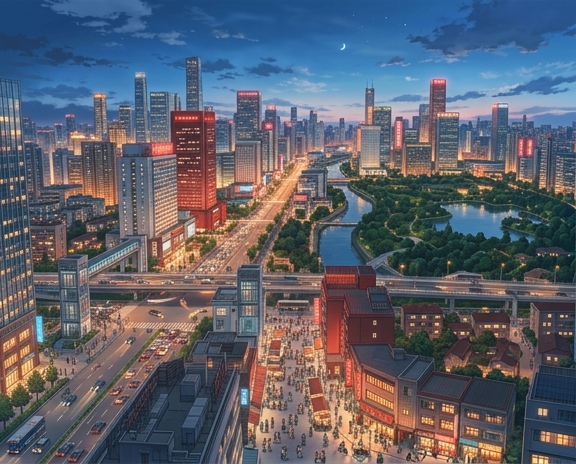
U.S. Customs Returns $100B in Tariffs: A Look at Everyday Life in China
Discover how the return of $100 billion in tariffs impacts everyday life in China, from shopping to tech trends.
The recent news of the U.S. Customs returning approximately $100 billion in tariffs has sparked a ripple effect across various aspects of everyday life in China. This substantial financial adjustment has implications for everything from shopping habits to technological advancements. Let's delve into how this development is being felt in different spheres of life in China.
In the realm of shopping, consumers are experiencing a shift in their purchasing power. With the reduced cost of imported goods, there's a buzz in the market. For instance, fashion enthusiasts can now find designer brands at more accessible prices. This trend is reminiscent of the 'Singles' Day' shopping festival, where consumers go on a spending spree, often resulting in record-breaking sales. This annual event is akin to Black Friday in the West, with a focus on online shopping, especially through platforms like Alibaba's Taobao and JD.com, which are the Chinese equivalents of Amazon and eBay.
The tech industry is also reaping the benefits. With lower tariffs, the cost of importing electronic components has decreased, leading to more affordable gadgets for consumers. This has been particularly beneficial for tech-savvy youth who are always on the lookout for the latest devices. In China, the tech industry is a significant part of daily life, with smartphones being an integral part of daily communication and entertainment. Apps like WeChat, which is similar to WhatsApp or Facebook Messenger, have become a hub for social interactions, from sharing news to shopping online.
Education, another vital aspect of life in China, has seen a positive impact. The reduction in tariffs has made imported educational materials more affordable, benefiting students and educators alike. This is especially true in cities like Beijing and Shanghai, which are known for their top-tier educational institutions. The availability of quality resources has been a game-changer, fostering a more conducive learning environment.
Travel and tourism have also experienced a boost. With the easing of import tariffs, travel agencies are offering more competitive deals for international trips. This has led to an increase in the number of Chinese tourists exploring the world. The trend of 'halong travel' (group travel) has seen a surge, with families and friends planning trips to exotic destinations. Chinese tourists are known for their love of shopping and trying new cuisines, contributing significantly to the local economies of the countries they visit.
Culinary adventures in China are endless, and the return of tariffs has made imported ingredients more affordable. This has led to a rise in fusion cuisine, with chefs blending traditional Chinese flavors with international ingredients. Cities like Guangzhou, often referred to as the 'Canton of the South,' are renowned for their culinary diversity. The streets are lined with food stalls offering everything from traditional dim sum to international street food, making it a paradise for foodies.
Transportation is another area where the impact is being felt. The reduction in tariffs has made imported vehicles more affordable, leading to an increase in car sales. This trend is particularly pronounced in cities like Shenzhen, which is known for its cutting-edge technology and vibrant urban life. The ease of transportation has made commuting more convenient for the city's residents.
In conclusion, the return of $100 billion in tariffs by U.S. Customs has had a multifaceted impact on everyday life in China. From shopping and technology to education and travel, the effects are being felt across the board. As the country continues to evolve, these changes are shaping the way people live, work, and play in the modern Chinese society.