Typhoon Red Alert Issued in China: Preparing for Stormy Days
The Central Meteorological Observatory issued a Typhoon Red Alert on August 9th, prompting preparations across China. This article explores how everyday life is affected, from food and travel to city life and traditions.
The Central Meteorological Observatory issued a Typhoon Red Alert on August 9th, signaling a severe typhoon approaching China. This alert affects millions of people, particularly those living in coastal areas. As the storm approaches, everyday life in China takes on a different rhythm, reflecting the country's unique cultural responses to such natural phenomena.
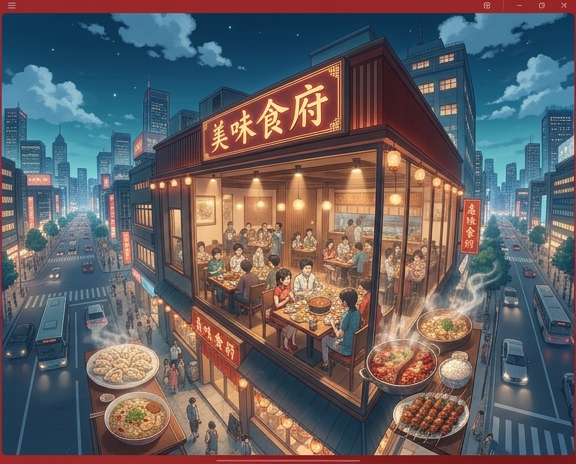
In the bustling city of Shanghai, a coastal metropolis known for its skyline and vibrant nightlife, residents are preparing for the storm. Shanghai's food scene, which includes a variety of international and local cuisine, is adapting to the situation. Street vendors, famous for their xiaolongbao (steamed pork dumplings) and shengjianbao (potstickers), are packing up and heading indoors. This is a common practice during typhoons, as the city's famous wet market, where locals buy fresh produce and seafood, may be affected by the storm.
Travel across the country is also being impacted. The typhoon is causing flight cancellations and delays, affecting both domestic and international travelers. Beijing, a city known for its historical sites and modern architecture, is experiencing a surge in last-minute cancellations. The city's bustling transportation network, including the subway and buses, is operating on reduced schedules to ensure the safety of its residents.
Education is another area feeling the effects of the typhoon. Schools in coastal regions are on alert, with some already closing for the day. This is a common precaution to ensure students' safety. In Shanghai, where the educational system is highly competitive, parents are keeping a close eye on the situation, as the typhoon could disrupt their children's studies.
Shopping is also affected, with many stores closing early or temporarily shutting down. This is particularly true for electronics stores, which are preparing for potential power outages. In cities like Guangzhou, known for its shopping districts and luxury brands, the typhoon is causing a lull in activity. However, the city's famous night markets, where locals and tourists can find unique souvenirs and street food, are expected to remain open.
City life in China takes on a different character during typhoons. In coastal cities like Qingdao, where the sea breeze is a daily staple, the air is thick with anticipation. Residents are stocking up on essentials like batteries, flashlights, and canned food. This is a reflection of China's deep-rooted tradition of preparing for natural disasters, a practice that dates back centuries.
Entertainment is also affected, with many outdoor events and activities being canceled. This includes popular festivals and concerts, which are a big part of China's vibrant cultural scene. In cities like Chengdu, known for its tea culture and pandas, the typhoon is causing a temporary lull in the city's lively nightlife.
The typhoon is also impacting China's tech industry. Many tech companies, including giants like Huawei and Alibaba, are preparing for potential disruptions. This includes ensuring that their servers are secure and that their employees are safe.
In conclusion, the Typhoon Red Alert issued by the Central Meteorological Observatory is having a significant impact on everyday life in China. From food and travel to education and entertainment, the storm is reshaping the rhythm of life across the country. As the storm approaches, China is demonstrating its resilience and adaptability, a testament to its unique cultural response to natural disasters.