The Rise of 'Deceitful Uncle': A Shopping Revolution in China
Discover the story behind 'Deceitful Uncle', a retail sensation that has captivated shoppers in the US for 50 years, blending fun and innovation in a consumer culture that thrives on variety and excitement.
In the 1960s and 1970s, a period of prosperity for capitalist retail businesses, the likes of Walmart and Carrefour emerged as retail giants, signaling a mature consumer market. This era was marked by a growing demand for diverse consumer goods and an increasing sense of aesthetic fatigue among consumers. This perfect storm of consumer needs and desires led to the emergence of opportunities for consumer segmentation and niche markets.
Against this backdrop, Joe Coulombe, a visionary entrepreneur, recognized the potential in the underserved market segment. He envisioned 'Deceitful Uncle' as a novel retail concept that would 'infuse fun into shopping,' a unique approach that was not widely seen at the time.
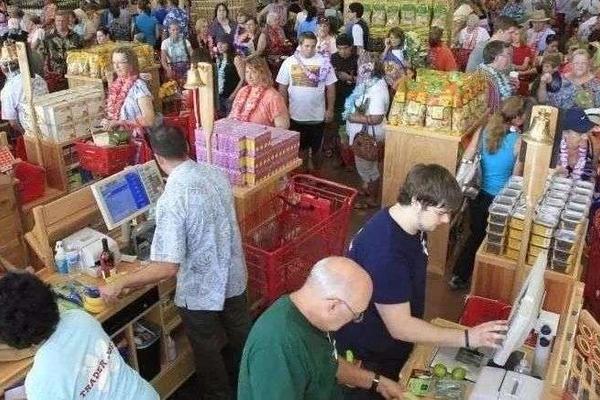
'Deceitful Uncle', which translates to 'Que'er Brother' in English, was not just a store; it was an experience. The brand, which has been popular in the US for over half a century, attracted a massive following, often referred to as 'brain-dead fans' or 'super fans'. This term, while seemingly negative, is actually a term of endearment in Chinese culture, often used to describe the intense loyalty and enthusiasm of fans towards their favorite celebrities, TV shows, or brands.
The concept of 'Deceitful Uncle' was ahead of its time. It was a retail store that not only offered a wide range of products but also created an environment that was engaging and entertaining. This was a stark contrast to the traditional retail stores of the era, which were often seen as mundane and unexciting.
The success of 'Deceitful Uncle' can be attributed to several factors. Firstly, it catered to the growing need for diverse and niche products among consumers. Secondly, it created a shopping experience that was fun and engaging, something that was not common in the retail landscape of the time. Finally, it managed to maintain a balance between offering a wide range of products and ensuring that the shopping experience was enjoyable and memorable.
The story of 'Deceitful Uncle' is a testament to the power of innovation in the retail industry. It shows that by understanding the needs and desires of consumers and offering a unique shopping experience, even a small, independent retailer can become a global sensation.
In a country like China, where shopping is not just a necessity but also a form of entertainment and social activity, 'Deceitful Uncle' has become a cultural icon. It represents the changing face of retail in China, where traditional stores are being replaced by innovative, customer-centric concepts that offer more than just products.
The success of 'Deceitful Uncle' also reflects the broader trend in Chinese consumer culture. Today, Chinese consumers are more discerning and demanding, seeking unique and high-quality products that offer an exceptional shopping experience. This shift has led to the rise of a new generation of retailers who are focused on innovation and customer satisfaction.
In conclusion, 'Deceitful Uncle' is more than just a retail store; it's a symbol of the changing landscape of consumer culture in China. Its story is one of innovation, customer-centricity, and the power of understanding the needs and desires of consumers. As the retail industry continues to evolve, it will be interesting to see how brands like 'Deceitful Uncle' continue to shape the future of shopping.