The Rise and Fall of Shopping Malls in China
Discover how the shopping mall landscape in China is evolving, with a focus on the changing trends in retail and dining experiences.
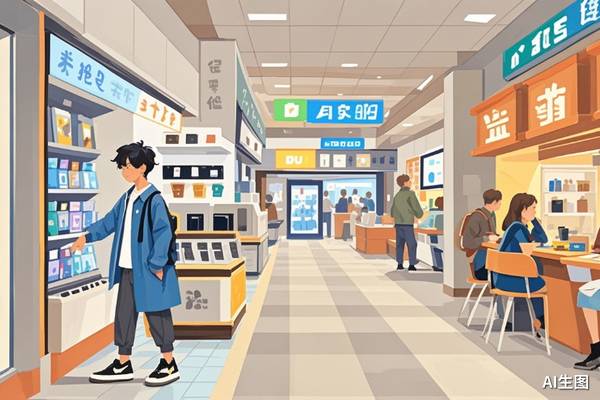
In recent years, China's shopping mall scene has undergone a significant transformation. While consumer spending has surged, the distribution of this growth has been uneven. Some malls have seen a surge in foot traffic, but their sales have not kept pace. Others, which may not appear bustling, have seen their earnings soar. This discrepancy has highlighted the failure of old recruitment strategies for malls and the need for new approaches to creating shopping experiences and valuing spaces. According to Winshang Big Data, in the first quarter of this year, the ratio of opening to closing stores in 12 major cities was 1.07, indicating a nearly even balance. However, the data also reveals a clear trend: first-floor retail is giving way to dining, and the second floor (F2) has become the only level experiencing a net reduction in stores. This shift is being driven by the rise of tech startups and new dining concepts, with lifestyle services emerging as a new force in the market.
The second floor of shopping malls in China has traditionally been a hub for retail, but this is changing. Instead, it is becoming a focal point for lifestyle services and dining experiences. This shift is not just about the physical space but also about the evolving tastes and preferences of Chinese consumers. The younger generation, in particular, is driving this change, seeking out unique and innovative experiences that go beyond traditional shopping.
One of the key factors contributing to this shift is the rise of technology. Tech startups are increasingly taking over retail spaces, offering everything from tech gadgets to innovative dining concepts. These startups are not just about the latest gadgets; they are about creating a new kind of shopping experience that is interactive, engaging, and tech-forward. This is a stark contrast to the traditional shopping mall experience, which was more about browsing and buying than about experiencing.
In addition to technology, the rise of small dining concepts is also reshaping the shopping mall landscape. These small restaurants, often referred to as 'micro-restaurants,' are popping up in shopping malls across China. They offer a variety of cuisines and dining experiences, from traditional Chinese dishes to international flavors. This trend is part of a broader shift towards more diverse and personalized dining experiences.
The shift in the shopping mall landscape is also being driven by changes in consumer behavior. Chinese consumers are increasingly looking for convenience and quality, and shopping malls are responding by offering a wider range of lifestyle services. These services include everything from beauty salons and fitness centers to educational and cultural activities. This shift is not just about attracting more customers; it is about creating a more comprehensive and engaging shopping experience.
The transformation of the second floor in shopping malls in China is a reflection of the broader changes taking place in the retail industry. It is a testament to the adaptability and innovation of the Chinese consumer market. As the retail landscape continues to evolve, it will be interesting to see how shopping malls in China will continue to adapt and thrive in the years to come.