The Paradox of Connectivity: Communication in Modern China
Explore the fascinating concept of communication in China, where technology bridges gaps yet also creates isolation, drawing parallels with the historical significance of city walls.
In a world increasingly connected by technology, the concept of communication has evolved in fascinating ways. A recent interview with Hu Yiqing from Nanjing University, published on a Chinese news website, delves into this intriguing topic. Drawing inspiration from Lewis Mumford's 1935 book 'Technics and Civilization,' Hu Yiqing discusses how communication can both connect and isolate individuals.
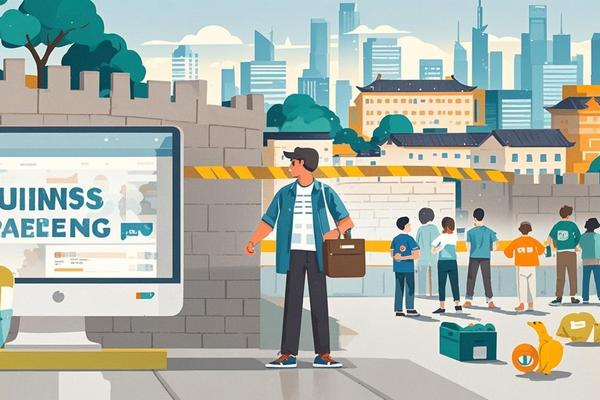
In Mumford's perspective, communication is not just about sharing information but also about creating barriers. This idea is vividly illustrated by the historical example of city walls. In ancient China, these walls were not just physical structures but also symbols of community and communication. They separated the city from the outside world, fostering a sense of unity and shared identity among the residents. The walls, in a way, served as a medium for communication, creating a unique form of interaction that was both intimate and isolating.
This concept of communication and isolation is particularly relevant in today's China, where technology has revolutionized the way people connect. Social media platforms like WeChat and Sina Weibo have become integral parts of daily life, allowing people to stay in touch with friends and family across the country. However, this connectivity also has its downsides. The digital divide, for instance, can create a sense of isolation among those who do not have access to these technologies.
In terms of cultural context, the significance of city walls in China cannot be overstated. They are not just historical structures but also symbols of power and authority. The Great Wall, for example, is a testament to the ingenuity and determination of the ancient Chinese people. It is also a symbol of the country's long history and cultural heritage.
When it comes to modern Chinese life, technology plays a crucial role in everyday activities. From shopping to education, technology has transformed the way people live. Online shopping platforms like Taobao and JD.com have made it possible to purchase almost anything from the comfort of one's home. Similarly, online education platforms like Xueqiu and Yuanfudao have made learning more accessible and convenient.
In the realm of entertainment, technology has also played a significant role. Streaming services like Tencent Video and iQIYI have become popular among young people, offering a wide range of content from movies and TV shows to original series. This has led to a new wave of Chinese entertainment that is both innovative and engaging.
Education in China has also been transformed by technology. Online learning platforms have become increasingly popular, especially during the COVID-19 pandemic. This has allowed students to continue their education from home, ensuring that learning is not disrupted.
In conclusion, the concept of communication in modern China is a complex one. While technology has brought people closer together, it has also created new forms of isolation. This paradox is evident in the way people interact with each other, both online and offline. As China continues to evolve, it will be interesting to see how this balance between connectivity and isolation will be maintained.