Tesla Cybercab Mass Production: A New Era of Urban Transportation in China
Tesla's Cybercab, a revolutionary autonomous vehicle, enters mass production, reshaping urban transportation in China.
Tesla, the American electric vehicle (EV) manufacturer, has made a significant stride in the Chinese market with the mass production of its Cybercab. This autonomous, electric taxi is poised to revolutionize urban transportation in China, a country known for its bustling city life and innovative technology adoption. The Cybercab, with its sleek design and advanced features, promises to redefine the concept of driving in China, a nation where car culture is deeply ingrained and public transportation systems are extensive but often crowded.
The Cybercab's introduction in China is particularly significant as the country continues to embrace technological advancements and sustainable living. In a nation where the concept of 'haochi haozhuang' (eating well and dressing well) is a cornerstone of modern life, the Cybercab represents a step towards a more convenient and eco-friendly lifestyle. This shift is in line with China's broader push towards green energy and sustainable development, reflecting the nation's commitment to reducing carbon emissions and improving air quality.
In China, the concept of 'dianchi' (electricity) is not just a power source but a symbol of innovation and progress. The Cybercab's electric powertrain aligns with this mindset, offering a silent, zero-emission alternative to traditional gasoline-powered vehicles. This is particularly relevant in cities like Beijing and Shanghai, where air quality is a major concern and the government has been implementing measures to promote clean energy and reduce pollution.
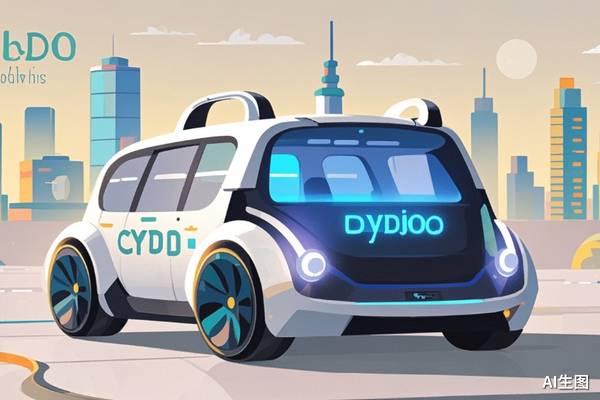
The Cybercab's design reflects the modern aesthetic that is prevalent in Chinese urban centers. With its futuristic look and advanced features, it stands out on the streets of cities like Shenzhen, known for its cutting-edge technology and vibrant startup scene. The vehicle's autonomous capabilities are a testament to China's prowess in artificial intelligence and robotics, sectors where the country has been making significant strides.
In terms of transportation, China is a country with diverse travel options. From the bustling subways of Shanghai to the high-speed trains connecting major cities, the Cybercab will offer a new dimension to urban mobility. This is especially relevant in cities like Guangzhou, where the concept of 'guangchi guangshang' (shopping and entertainment) is deeply embedded in daily life. The Cybercab could potentially become a preferred mode of transportation for both locals and tourists, offering a seamless and efficient way to navigate the city.
The Cybercab's introduction also reflects China's growing influence in the global tech landscape. As a country that has been rapidly adopting new technologies, China is now a key player in shaping the future of transportation. This is evident in the widespread use of mobile payments, which is integrated into the Cybercab's design, allowing for a seamless and contactless ride experience.
In terms of culture, the Cybercab's focus on sustainability and innovation resonates with the Chinese ethos of 'qingnian chuangye' (youth entrepreneurship). The vehicle's introduction coincides with a generation that is increasingly conscious of environmental issues and eager to embrace new technologies. This aligns with the broader trend of 'shangye zhuanxing' (industrial transformation) that China is currently undergoing, moving from a manufacturing-based economy to a more service and technology-driven one.
In conclusion, the mass production of Tesla's Cybercab in China marks a significant milestone in the country's journey towards sustainable and innovative urban transportation. As the Cybercab hits the streets, it is not just a vehicle but a symbol of China's technological prowess and commitment to a greener future.