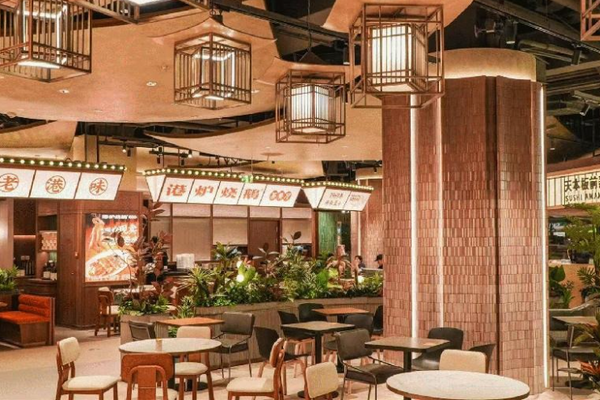
Rising Trends in Chinese Shopping Malls: From Fast Food to Quality Dining
In Xi'an, a city known for its rich history, shopping malls are seeing a shift in consumer preferences from fast food to high-quality dining experiences, reflecting a broader trend in China's changing culinary landscape.
In the bustling city of Xi'an, a significant transformation is taking place within the shopping malls. According to recent research by Winshang Network and public data, there has been a distinct shift in consumer behavior when it comes to dining in these centers. The study reveals that essential food consumption remains robust, with over 70% of consumers visiting fast-food restaurants at least twice a week. This刚需型消费 (jīnéixíng gōngxí) reflects the practical and everyday needs of the population. However, there is also a growing demand for quality dining experiences that offer a social element, indicating a shift towards more 'experience-oriented' consumption.
Xi'an, a city steeped in history and culture, is a microcosm of this broader trend. Known for its ancient terracotta warriors and vibrant street food scene, the city's dining landscape is evolving to cater to a more diverse range of tastes and preferences. The research indicates that while the overall average spending on dining in China has decreased to 36.6 yuan per person, the demand for quality dining remains strong, suggesting that consumers are willing to spend more on a better dining experience.
This trend is not unique to Xi'an but is a reflection of the changing face of consumer behavior across China. As the country's economy continues to grow and urbanization expands, consumers are seeking more than just convenience; they are looking for experiences that add value to their lives. This is particularly evident in the rise of 'social dining,' where people gather to enjoy meals that are not just nourishing but also culturally significant.
The shift towards quality dining is also being driven by the younger generation, who are more likely to seek out unique and authentic culinary experiences. This group, often referred to as the 'millennials' or 'Generation Z' in Western terms, values authenticity and is less inclined to settle for fast, generic meals. They are more likely to explore local cuisine and seek out dining establishments that offer a unique atmosphere and culinary expertise.
In Xi'an, this is evident in the increasing number of high-end restaurants and cafes that have opened in recent years. These establishments offer a range of international and local dishes, often with a modern twist. From traditional Chinese cuisine to international flavors, these dining spots cater to a diverse clientele, including both locals and tourists.
The rise of online reviews and social media also plays a significant role in shaping consumer preferences. In China, platforms like Dianping and WeChat have become go-to sources for finding the best dining experiences. Consumers rely on the recommendations of others and are more likely to visit restaurants that have received positive reviews or have a strong social media presence.
In conclusion, the shift from fast food to high-quality dining in Xi'an's shopping malls is a testament to the evolving culinary landscape in China. As consumers seek out more diverse and authentic dining experiences, the food industry is responding by offering a wider range of options that cater to these changing tastes. This trend is not only shaping the way people eat but also contributing to the cultural and social fabric of Chinese cities like Xi'an.