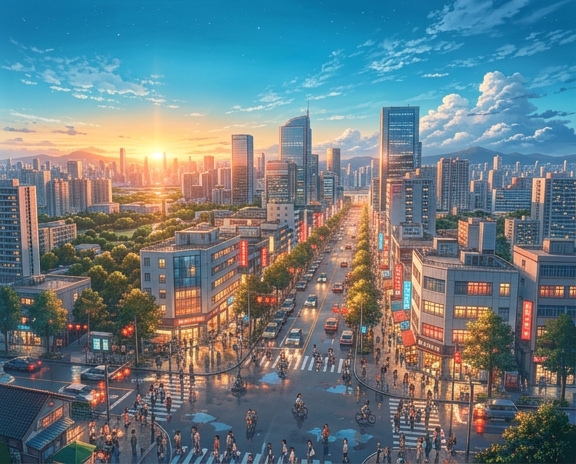
Revitalizing Urban Spaces in China: A New Era of City Transformation
Discover how China is transforming its urban landscapes with innovative land use and cultural integration, creating vibrant communities and green spaces.
In a remarkable initiative, Chinese cities are undergoing a transformative phase, focusing on the efficient use of land and the revitalization of urban spaces. The core strategy involves repurposing underutilized areas into thriving community hubs. For instance, inefficient industrial parks are being transformed into cutting-edge technology communities, while idle factories and warehouses are becoming cultural and artistic spaces. This approach not only renews the cityscape but also fosters a sense of community and cultural richness.
The concept of 'zero-star' land, often overlooked, is now being utilized to create small, intimate parks and community service facilities. This innovative approach to urban development reflects China's commitment to sustainable living and green spaces. As the cityscape evolves, it is also being infused with cultural elements that celebrate the nation's rich heritage. This cultural renaissance is not just about preserving history but also about creating spaces that resonate with modern life.
In Shanghai, for example, the transformation of the former Shanghai Textile Mill into a cultural and creative hub has become a beacon of urban renewal. This area, now known as M50, is a testament to how old industrial spaces can be repurposed into vibrant cultural districts. It's a place where artists, designers, and entrepreneurs come together, much like SoHo in New York City.
Similarly, in Beijing, the transformation of old factories into art spaces is a nod to the city's rich artistic heritage. The 798 Art District, once a sprawling industrial complex, has become a vibrant cultural hub filled with galleries, studios, and restaurants. It's a place where locals and tourists alike can experience the fusion of old and new, much like the bohemian neighborhoods of Berlin.
The transformation of urban spaces in China is not just about physical changes; it's also about fostering a sense of community and cultural pride. For instance, the creation of pocket parks in urban areas not only enhances the aesthetic appeal of the city but also provides residents with green spaces for relaxation and recreation. This approach is reminiscent of the 'Pied-à-terre' parks in Paris, which are small, public gardens nestled within the city.
Moreover, the integration of cultural elements into these urban spaces is a testament to China's diverse cultural heritage. Traditional Chinese architecture, art, and crafts are being integrated into modern urban design, creating spaces that are both functional and culturally significant. This cultural integration is akin to the fusion of ancient and modern seen in Tokyo's Ginza district.
The transformation of urban spaces in China is a testament to the nation's innovative approach to development. By repurposing land, integrating cultural elements, and fostering community engagement, Chinese cities are becoming more vibrant, sustainable, and culturally rich. This new era of urban transformation is not just reshaping the physical landscape but also enriching the lives of its residents, much like the transformation of neighborhoods in London or New York City.