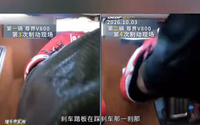
Luxury Car Controversy Ignites Debate in China
A recent video by Dianche帝 testing a million-dollar car's braking system has sparked a heated discussion among Chinese netizens, reflecting deeper societal attitudes towards consumerism and technology.
In a recent turn of events that has captured the attention of many in China, a video by the popular automotive review platform Dianche帝 (meaning 'Car Emperor') has ignited a heated debate among Chinese netizens. The video showcases a high-end luxury car undergoing a braking system test, which has inadvertently pushed the vehicle into the spotlight.
Dianche帝, a platform known for its detailed automotive reviews and tests, has a significant following in China. It is akin to automotive review shows like 'Car and Driver' or 'Motor Trend' in the Western world, where viewers look forward to the in-depth analysis and unbiased testing of vehicles.
The controversy stems from the way the test was conducted and the subsequent reactions it garnered. In the video, the luxury car's braking system failed to perform as expected, leading to concerns about the car's safety and the credibility of the brand. This has sparked a wider discussion among Chinese consumers about the quality control of luxury goods and the importance of thorough testing.
In China, luxury cars are often seen as status symbols, reflecting an individual's wealth and success. Brands like the one featured in the video are often associated with exclusivity and high-end living. The reaction to the video reflects the deep-seated consumer culture in China, where there is a significant emphasis on material possessions and the desire to own the latest and greatest products.
The incident also highlights the role of social media and online platforms in shaping public opinion. In China, platforms like Weibo and WeChat play a crucial role in disseminating information and sparking discussions. Netizens have been actively commenting on the video, sharing their own experiences with luxury cars and expressing their views on the importance of safety standards.
The debate has also extended to the broader context of Chinese consumer behavior. There is a growing awareness among consumers about the need for transparency and accountability in the luxury goods market. This is particularly relevant in the wake of recent scandals involving high-profile brands and products in China.
In terms of cultural context, the incident brings to light the Chinese fascination with technology and innovation. China has been making significant strides in the automotive sector, with many local brands emerging as serious competitors to international giants. The luxury car in question is a prime example of this technological advancement, and the debate surrounding it reflects the country's rapidly evolving automotive landscape.
Furthermore, the incident has implications for the education and shopping habits of Chinese consumers. There is an increasing emphasis on research and due diligence before making purchases, especially when it comes to expensive items like cars. This shift in consumer behavior is a testament to the growing importance of information and knowledge in the decision-making process.
In conclusion, the recent controversy surrounding a luxury car's braking system test in China has sparked a much broader discussion on consumerism, technology, and safety standards. It reflects the changing dynamics of Chinese consumer culture and the increasing role of social media in shaping public opinion. As the debate continues, it will be interesting to see how it impacts the automotive industry and consumer behavior in China.