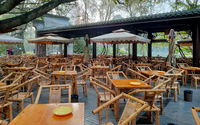
Licence Fights Threaten Tea House Culture in China
In a surprising turn of events, the traditional tea house culture in China faces a challenge from excessive compensation demands, highlighting the delicate balance between business and tradition.
In a recent development that has sparked a heated debate, the vibrant tea house culture in China is under threat from what some are calling excessive compensation demands. This issue has come to light in a particular city, where a group of tea houses have been targeted by a series of complaints regarding their 'unlicensed' tea-making practices.
Tea houses, a staple of Chinese social life, are more than just places to enjoy a cup of tea. They are social hubs where people gather to relax, chat, and unwind. This cultural phenomenon is deeply rooted in Chinese history and is often associated with the famous Chinese poet, Lu You, who is often depicted in traditional Chinese art enjoying tea with friends. In the West, this might be likened to a pub culture, where people go to socialize and enjoy a drink.
The complaints stem from a consumer who has demanded that each of the ten tea houses involved in the alleged 'unlicensed' activity pay at least 1500 yuan in compensation. While the consumer's demand for compensation is not entirely unreasonable, given that the tea houses were indeed operating without the proper licenses, the amount demanded is seen as excessive. The total compensation sought is 3000 yuan, which some argue is disproportionate to the potential harm caused.
The situation has raised concerns among local businesses and tea house enthusiasts. Critics argue that such bulk complaints, which seem to have a clear profit motive, are threatening the very essence of tea house culture. In China, tea houses are not just places to drink tea; they are places where people come together to share stories, discuss the day's events, and engage in social activities. This cultural significance is something that is hard to quantify in monetary terms.
The case has also highlighted the challenges faced by small businesses in China, which often struggle to meet the strict licensing requirements imposed by the government. For many small tea houses, the cost of obtaining a license can be prohibitive, leading them to operate without the proper permits. This situation is not unique to tea houses; it is a common issue faced by many small businesses across the country.
In the eyes of many, the tea house is more than just a business; it is a symbol of Chinese culture and tradition. The demand for compensation, while legally justified, is seen as a threat to the very fabric of this cultural institution. It is a reminder of the delicate balance between progress and tradition, a balance that is often difficult to maintain.
The situation has sparked a broader conversation about the role of small businesses in Chinese society and the importance of preserving cultural heritage. As China continues to modernize, it is crucial to find ways to protect and promote its rich cultural traditions while also ensuring that small businesses can thrive. The future of the tea house culture hangs in the balance, and it remains to be seen how this issue will be resolved.