iPhone Storage Dilemma: Cost vs. Performance in China
As Apple's iPhone 16 may adopt QLC flash storage, users in China face a trade-off between cost and performance, raising concerns about device speed and lifespan.
In the age of big data, the debate over storage technology in smartphones has reached a new peak. Apple, a brand that has long been synonymous with premium technology, has recently been criticized for its choice of storage solutions. The latest iPhone 16 is rumored to use QLC (Quad-Level Cell) flash storage, a cheaper but less efficient option compared to the traditional TLC (Triple-Level Cell) storage. This move has sparked a heated discussion among Chinese consumers, who are increasingly concerned about the balance between cost and performance.
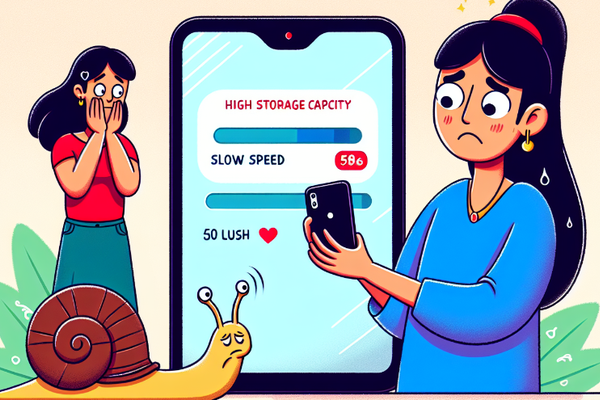
Apple's decision to opt for QLC storage, which is expected to be used in the iPhone 16, has raised questions about the impact on user experience. QLC storage offers a lower cost per gigabyte but comes with a trade-off in terms of speed and lifespan. Users in China, where the iPhone has a significant market share, are worried that this could lead to slower data processing and a shorter device lifespan, especially when dealing with large files or frequent read/write operations.
The term 'iPhone' itself is a brand that has become a part of everyday life in China. It's not just a smartphone; it's a status symbol and a symbol of technological advancement. In a country where the latest gadgets are often the center of attention, the iPhone's choice of storage technology is a big deal.
In China, the concept of 'gold memory' (a term used to describe Apple's premium storage options) has been met with mixed reactions. While some consumers appreciate the high-quality experience that comes with these options, others argue that Apple is prioritizing profit over user satisfaction. This sentiment is echoed in the criticism of Apple's '1500 yuan tier' pricing, which some see as overpriced for the performance offered.
The use of QLC flash storage is not just a concern for iPhone users; it's a broader issue that affects the entire smartphone industry. With the increasing size of apps and the need for more storage, manufacturers are facing a challenge in balancing cost and performance. The iPhone 16's adoption of QLC storage could set a precedent for other brands, leading to a shift in the industry's approach to storage technology.
In a country where technology is deeply integrated into daily life, the choice of storage technology in smartphones has significant implications. For instance, in China, where mobile payments are widely used, the speed of data processing is crucial for a seamless user experience. A slower device could lead to frustration and a negative perception of the brand.
Moreover, the issue of storage technology in smartphones is closely linked to the broader trend of digitalization in China. As more and more aspects of life move online, the need for efficient and reliable storage solutions becomes even more critical. The choice of QLC storage in the iPhone 16 could be seen as a step backward in this regard.
In conclusion, the debate over storage technology in smartphones, particularly the iPhone 16's rumored adoption of QLC storage, is a complex issue that touches on various aspects of daily life in China. It raises questions about the balance between cost and performance, the role of technology in modern life, and the expectations of consumers in a rapidly evolving market.