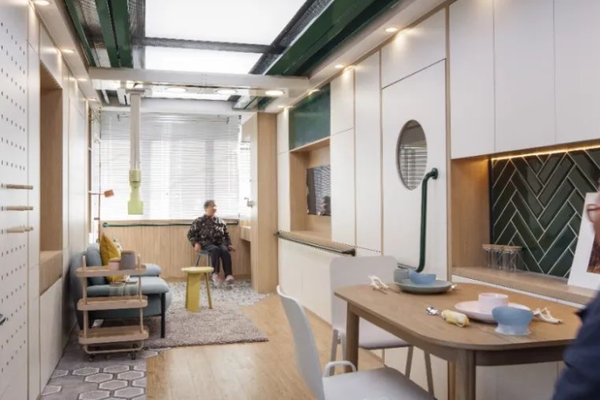
Home Sweet Home: Aging in China's Houses
In China, 90% of the population desires to age at home, yet many face hazards within their own houses.
In a recent survey, a staggering 90% of Chinese citizens expressed a strong preference for aging in the comfort of their own homes. This cultural trend reflects the deep-seated Chinese value of filial piety, where the elderly are cherished and cared for by their families. However, this desire is met with a significant challenge: the potential dangers lurking within the very houses that are meant to provide safety and comfort.
The traditional Chinese house, often with intricate wooden lattices and steeply pitched roofs, can present unique risks for the elderly. For instance, the steep stairs leading to the upper floors can be a hazard, especially for those with mobility issues. The lack of modern safety features, such as grab bars in bathrooms or non-slip surfaces, further exacerbates the risks.
In Chinese culture, the home is a sanctuary, and traditional aesthetics often take precedence over practicality. This is evident in the preference for ornate decorations and intricate designs, which can sometimes lead to obstacles for the elderly. For example, the intricate wooden lattices that are a hallmark of Chinese architecture can become tripping hazards.
Moreover, the Chinese diet, which is rich in hotpot and other spicy dishes, can lead to health issues in the elderly, such as gastrointestinal problems. This dietary preference, deeply rooted in Chinese culinary traditions, must be carefully managed in the context of aging.
The Chinese also have a strong tradition of communal living, which is reflected in the layout of many homes. Open-plan living spaces are common, fostering a sense of community but also presenting challenges for the elderly who may need more privacy and space.
In recent years, there has been a growing awareness of these issues, and innovative solutions are being developed. Smart home technology, for instance, is becoming increasingly popular. Devices like motion sensors and automated lighting can help prevent falls and reduce the risk of accidents. Additionally, there are initiatives to retrofit older homes with safety features, such as non-slip flooring and stairlifts.
The challenge of aging at home in China is not just a matter of safety and comfort; it is deeply intertwined with cultural values and traditions. As the population ages, finding a balance between preserving these cultural heritages and ensuring the safety and well-being of the elderly will be a crucial task for Chinese society. It is a testament to the resilience and adaptability of Chinese culture that it is facing this challenge head-on, with a blend of tradition and modern innovation.