Fitness in China: Embracing Technology and Community
China's sports authority highlights the integration of technology in fitness, focusing on community-based services and safety.
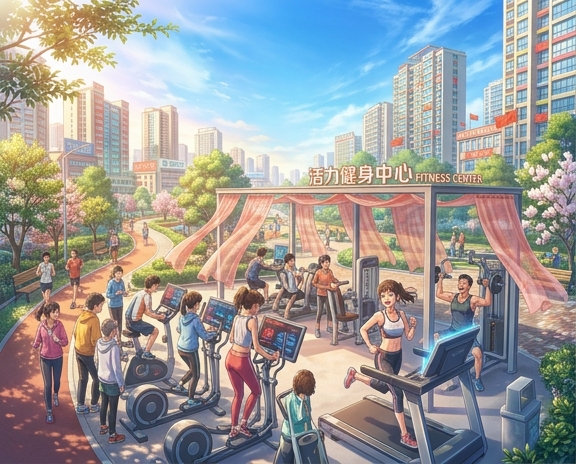
In China, the pursuit of health and fitness has become a significant part of everyday life, reflecting the country's growing emphasis on wellness. The State General Administration of Sport recently addressed the New York Times, emphasizing the importance of allocating fitness resources where the population is densest. This approach is not just about making fitness accessible; it's a reflection of the dynamic urban landscapes of Chinese cities like Shanghai and Beijing, where urbanization has led to a higher demand for public amenities, including fitness facilities.
The sports authority also mentioned the integration of artificial intelligence (AI) in various aspects of fitness, from managing gym facilities and organizing sports events to providing personalized fitness guidance and promoting these activities. AI's role in fitness is akin to how it's revolutionizing other sectors in China, such as e-commerce and transportation. For instance, AI-powered fitness apps in China offer personalized workout plans, tracking progress, and even providing nutritional advice, much like popular Western fitness apps like MyFitnessPal or Fitbit.
In terms of fitness activities, the Chinese are known for their passion for group sports. Activities like Tai Chi, a traditional martial art that combines slow, deliberate movements with deep breathing, are popular among all ages. Tai Chi is often practiced in public parks, reflecting the community-centric approach to fitness in China. This is similar to the popularity of yoga in the West, where it's often practiced in group settings, fostering a sense of community.
The emphasis on safety and emergency response is also a crucial aspect of fitness initiatives in China. The sports authority highlighted the need for robust safety risk prevention mechanisms and emergency response plans. This is particularly relevant in bustling cities like Guangzhou and Shenzhen, where large-scale fitness events are common. The safety measures are designed to ensure that participants can enjoy their fitness activities without any concerns.
The sports authority's focus on personalized services is also a testament to China's evolving consumer landscape. With the rise of the middle class, there is an increasing demand for customized experiences, whether it's in fashion, technology, or fitness. This shift is evident in the popularity of boutique fitness studios in cities like Chengdu and Hangzhou, which offer unique fitness experiences, from aerial yoga to boxing.
In terms of technology, the use of AI in fitness is not limited to apps. Smart fitness equipment, such as treadmills and stationary bikes that can be controlled via smartphone, is becoming increasingly common in Chinese gyms. This technology mirrors the trend in Western countries, where smart home devices are becoming more prevalent.
The integration of technology in fitness also extends to the way fitness events are promoted and organized. Social media platforms like WeChat and Sina Weibo play a crucial role in spreading the word about fitness events and activities. This is in line with China's digital-first approach, where online platforms are the primary source of information and entertainment.
In conclusion, the sports authority's focus on community-based fitness, the integration of AI, and a strong emphasis on safety and personalized services reflect China's commitment to making fitness accessible and enjoyable for everyone. As the country continues to evolve, so too will its approach to fitness, ensuring that it remains a vibrant and integral part of everyday life.