Exploring Summer Culture in Xi'an and Wuhan: A New Wave of Consumer Growth
Discover the vibrant summer culture in Xi'an and Wuhan, China, as locals and tourists immerse themselves in a variety of cultural and leisure activities, boosting the local economy.
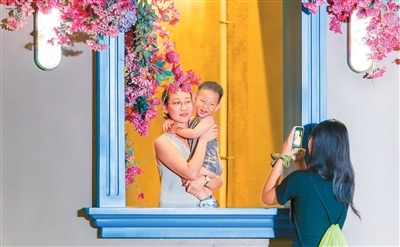
This summer, the city of Xi'an in Shaanxi Province has been bustling with cultural and tourism activities, offering a new wave of experiences for both locals and visitors. The New District of Xi'an has launched a series of cultural and tourism consumption events, creating an immersive summer experience for everyone. One of the highlights is the Red Cross Lane, where tourists and locals alike are enjoying the picturesque scenery and taking memorable photos. This initiative is part of a broader trend in China, where cities are increasingly focusing on cultural and leisure activities to attract consumers and stimulate economic growth.
In Wuhan, Hubei Province, the Qing Mountain District has been actively organizing a range of promotional activities to boost consumer spending. These events are not only about shopping but also about experiencing the local culture. For instance, visitors can enjoy traditional Chinese tea ceremonies, taste local delicacies, and learn about the history of the city.
The focus on cultural and leisure activities is a reflection of the changing consumer landscape in China. As the middle class grows, there is a greater demand for experiences rather than just goods. This shift is evident in the popularity of immersive experiences, such as visiting historical sites, attending art exhibitions, and participating in cultural festivals.
In Xi'an, one of the most famous attractions is the Terracotta Army, a collection of life-sized terracotta soldiers and horses buried with the first Emperor of China, Qin Shi Huang. This site is a testament to the rich history of the city and is a must-visit for anyone interested in Chinese history. Additionally, Xi'an is known for its delicious cuisine, particularly its famous street food, like the spicy beef noodles and tangyuan (sweet rice balls).
Wuhan, on the other hand, is famous for its hot pot culture. The city's hot pot scene is diverse, offering a range of flavors and ingredients that cater to different tastes. The city's vibrant nightlife and bustling markets also contribute to its appeal.
In terms of technology, both cities are at the forefront of China's digital transformation. From mobile payments to online shopping, technology has become an integral part of daily life. This is particularly evident in the way cultural and tourism activities are promoted and experienced. For example, virtual reality (VR) tours of historical sites are becoming increasingly popular, allowing visitors to explore these attractions from the comfort of their homes.
Education is also a priority in these cities. Both Xi'an and Wuhan have prestigious universities that attract students from all over China. The presence of these institutions contributes to the cultural vibrancy of the cities, with a variety of educational and cultural events taking place throughout the year.
Shopping in these cities is a unique experience. From the bustling markets of Xi'an to the modern shopping malls of Wuhan, there is something for everyone. Local brands and international chains coexist, offering a wide range of products and services.
Transportation in both cities is efficient and convenient, with a comprehensive network of buses, subways, and taxis. This makes it easy for visitors to explore the city and its attractions.
In conclusion, the summer months in Xi'an and Wuhan are a testament to the dynamic and evolving consumer landscape in China. With a focus on cultural and leisure activities, these cities are not only attracting more tourists but also fostering a sense of community and cultural pride among locals. As China continues to grow and develop, such initiatives are likely to become more prevalent, offering new and exciting experiences for both residents and visitors alike.