Discovering Xiamen's Traditional and Modern Fusion
Explore the unique blend of tradition and modernity in Xiamen, China, as we delve into the charm of the Fourth Generation Wanda Plaza and the nearby Mazu Temple.
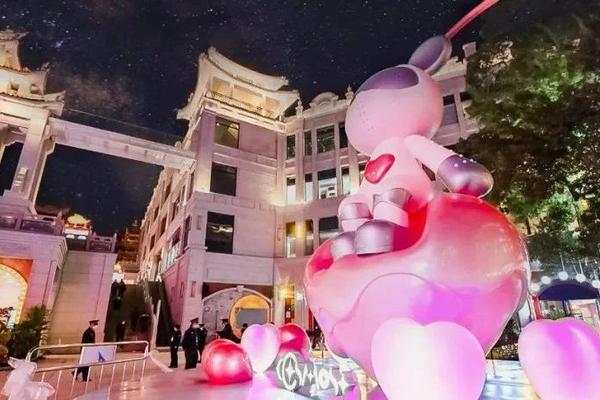
Xiamen, a coastal city in southeastern China, is renowned for its beautiful scenery and rich cultural heritage. As you step through the grand West Gate, you are immediately immersed in the heart of the Fourth Generation Wanda Plaza, a bustling hub of modernity. The central area, known as the Festival Plaza, is a testament to the city's unique blend of traditional闽南 (Minnan) architecture and contemporary design. The red brick walls and colonial-style arcades are reminiscent of the region's historical significance, while the massive sunken space offers a trendy and futuristic atmosphere. The plaza's longest water curtain creates a mesmerizing visual experience, a modern twist on traditional Chinese artistry.
闽南 (Minnan) architecture, also known as Southern Fujian architecture, is a distinctive style that originated in the Minnan region. It is characterized by its red brick walls, which are not only durable but also rich in symbolism, representing wealth and prosperity. The red bricks are often adorned with intricate patterns, showcasing the craftsmanship and artistic flair of the region.
The Wanda Plaza, a well-known brand in China, is a testament to the country's growing retail and entertainment industry. It is a popular destination for both locals and tourists, offering a wide range of shopping, dining, and entertainment options. The plaza's design reflects the fusion of traditional and modern elements, with the red brick walls and colonial-style arcades providing a warm and inviting ambiance.
Just a stone's throw away from the Wanda Plaza lies the iconic Mazu Temple, dedicated to the revered Chinese sea goddess Matsu. Matsu is a figure of great importance in southeastern China, particularly in coastal regions, where she is revered for her protection of sailors and fishermen. The temple, with its ornate architecture and serene atmosphere, offers a glimpse into the region's deep-rooted cultural traditions.
Xiamen's culinary scene is another highlight, offering a delightful mix of traditional Minnan dishes and international cuisine. Street food, in particular, is a favorite among locals and visitors alike. Stalls selling everything from stinky tofu to oyster omelets line the streets, offering a taste of the city's vibrant food culture.
Transportation in Xiamen is convenient and efficient, with a comprehensive network of buses, taxis, and bike-sharing services. The city's well-preserved colonial-era buildings, lush greenery, and beautiful beaches make it a popular destination for tourists seeking a blend of history and relaxation.
Education and technology also play significant roles in Xiamen's daily life. The city is home to several prestigious universities and research institutions, contributing to its reputation as a hub of intellectual and technological innovation. Xiamen's tech industry is rapidly growing, with numerous startups and tech companies setting up shop in the city.
Shopping in Xiamen is a delightful experience, with a wide range of options available. From the bustling markets of Siming District to the high-end boutiques of Hulishan Road, there is something for everyone. The city's shopping districts are not only a place to buy goods but also a reflection of the city's dynamic and diverse culture.
In conclusion, Xiamen is a city that seamlessly blends tradition and modernity, offering a unique and enriching experience for visitors. From the historic Matsu Temple to the futuristic Wanda Plaza, the city's charm lies in its ability to preserve its cultural heritage while embracing the future.