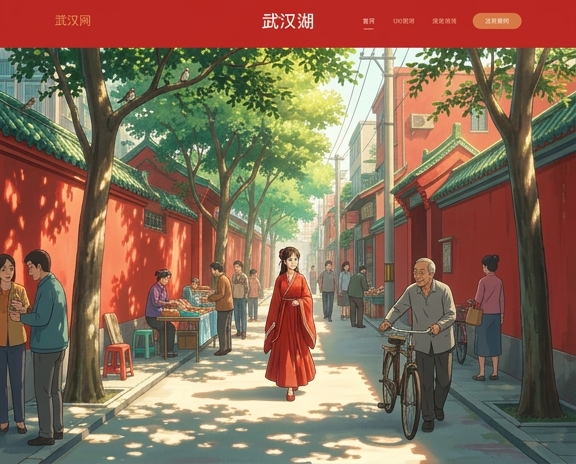
Discovering Wuhan: A Journey Through Its Rich Culture and Cuisine
Explore the vibrant city of Wuhan, known for its rich history, delicious food, and educational attractions like the Yifu Museum, perfect for a day out with family or friends.
Wuhan, a bustling city in central China, offers a unique blend of history, culture, and modernity. One of the highlights of a visit to Wuhan is the Yifu Museum, located on the campus of Wuhan University of Geology and Mining. This museum, a 4A-rated tourist attraction, is open to the public without prior appointment, making it a convenient stop for anyone interested in geology and natural history. The museum is open from 8:15 AM to 12:00 PM and from 2:30 PM to 5:30 PM on weekdays during the summer months, and from 9:00 AM to 5:00 PM on weekends and holidays (with the last entry at 4:00 PM).
The museum boasts a collection of over 40,000 geological specimens, including dinosaur fossils, precious minerals, and gemstones. The exhibits are divided into seven halls, covering topics such as planetary and Earth science, the origin and evolution of life, and jewelry and gemstones. This makes it an ideal destination for those with a passion for geology and natural sciences. The admission fee is 40 yuan for adults, with students enjoying discounted tickets with valid identification.
After a day of exploration, Wuhan's vibrant food scene awaits. The city is famous for its hotpot, a communal dish that is a staple in winter months. It's a social experience where friends and family gather around a steaming pot filled with a variety of meats, vegetables, and spices. The city's street food is also a must-try, offering a variety of snacks like xiaolongbao (steamed pork dumplings) and hot and sour tofu. These dishes reflect Wuhan's status as a melting pot of cultures, with influences from both the north and south of China.
Wuhan's city life is a blend of traditional and modern elements. The city's architecture showcases its history, with buildings that reflect both Chinese and Western styles. The East Lake, one of the city's most famous landmarks, is a serene spot for a stroll or a boat ride. The lake is surrounded by lush gardens and historical sites, providing a peaceful escape from the city's hustle and bustle.
Education is also a cornerstone of Wuhan's culture. The city is home to several prestigious universities, including Wuhan University, one of China's oldest and most renowned institutions. The university's campus is a testament to the city's commitment to education and research.
Shopping in Wuhan is a delightful experience, with a mix of traditional markets and modern shopping malls. The Hanyang Pedestrian Street is a popular spot for shopping and dining, offering a wide range of goods from local crafts to international brands.
Transportation in Wuhan is efficient and convenient, with a comprehensive network of buses, subways, and taxis. The city's public transportation system is user-friendly and widely used by locals and visitors alike.
Wuhan's traditions are deeply rooted in Chinese culture. The city is known for its dragon dances and lantern festivals, which are celebrated with great enthusiasm. These events are a testament to Wuhan's rich cultural heritage and its people's love for celebrating life.
In conclusion, Wuhan is a city that offers a rich tapestry of experiences. From its educational institutions to its vibrant food scene, from its historical landmarks to its modern urban life, Wuhan is a city that has something for everyone.