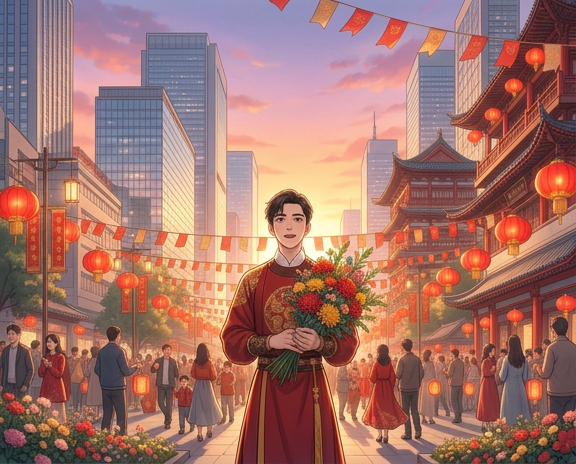
Discovering the Rich Traditions of China's Zhongyuan Festival
Explore the significance of Zhongyuan Festival, one of China's four major ancestral worship holidays, celebrated with spiritual and cultural rituals.
The Zhongyuan Festival, also known as the Ghost Festival, is one of China's most significant traditional holidays, alongside the Spring Festival (Chinese New Year), Qingming Festival, and Chongyang Festival (Double Ninth Festival). This festival, deeply rooted in both Buddhist and Taoist beliefs, is a time for the Chinese people to honor their ancestors and the spirits of the deceased. It is celebrated on the 15th day of the seventh lunar month, which falls in August or September each year.
The festival is steeped in spiritual significance. In Buddhism, it is known as the 'Ullambana Festival' or 'Mulanmu Hui,' a day when the gates of hell are opened, allowing spirits to roam the earth. This is a time for families to come together to pay their respects to their ancestors, who are believed to return to their homes during this period. The festival is marked by various rituals and customs that reflect the rich tapestry of Chinese culture.
One of the most prominent customs is the preparation of a grand feast. Families gather to prepare a variety of dishes that are believed to be enjoyed by both the living and the spirits. These dishes often include rice, noodles, fruits, and a variety of meats. The food is placed on an altar, and incense is burned to invite the spirits to join the celebration. The custom of burning paper money and other offerings is also common, as it is believed that these offerings will help the spirits in the afterlife.
The festival is also a time for reflection and remembrance. Many people visit the graves of their ancestors to clean the tombstones, leave offerings, and pay their respects. It is a poignant reminder of the importance of family and heritage in Chinese culture.
In terms of cultural context, the Zhongyuan Festival is often associated with the city of Shanghai, which is known for its blend of traditional and modern Chinese culture. Shanghai's bustling streets come alive with decorations and activities celebrating the festival. It's not uncommon to see markets selling special festival goods, such as paper offerings and traditional snacks.
The festival also has a strong connection to Chinese cuisine. During Zhongyuan, families often prepare special dishes that are believed to bring good luck and prosperity. One such dish is 'zongzi,' a sticky rice dumpling wrapped in bamboo leaves, which is thought to symbolize the wrapping of the spirit in the afterlife. Another popular dish is 'mooncakes,' which are traditionally eaten during the Mid-Autumn Festival but are also enjoyed during Zhongyuan.
In terms of entertainment, the festival is often accompanied by traditional performances, such as dragon dances and lantern shows. These activities are not only entertaining but also serve to reinforce the cultural heritage and traditions of the festival.
The Zhongyuan Festival is a testament to the enduring power of tradition in modern China. It is a time when the past and the present come together, and the importance of family, heritage, and spiritual beliefs is celebrated. For those looking to experience the rich tapestry of Chinese culture, the Zhongyuan Festival is an excellent opportunity to do so.