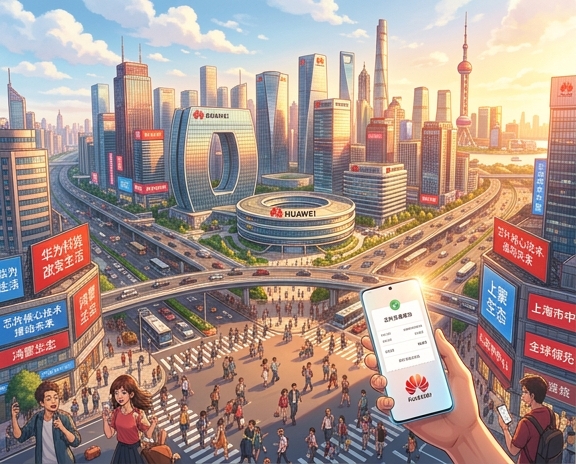
China's Tech Scene: Huawei's Chip Deal and Rising Smartphone Prices
Huawei secures long-term chip supply, pushing smartphone prices up as storage chip demand surges.
In a significant development in China's tech industry, Huawei has reportedly signed a long-term supply agreement for storage chips, a move that has sent shockwaves through the smartphone market. This strategic move by Huawei comes at a time when the global storage chip market is facing unprecedented challenges, with consumer-level storage chip shortages driving up prices and threatening the stability of the smartphone industry.
The situation has been exacerbated by the increasing demand for AI servers, which are 'sucking up' the available storage chip capacity, leading to a severe shortage in the market. This has pushed the prices of storage chips, which are a crucial component in smartphones, to soar. According to data from Counterpoint, smartphone memory prices have surged by over 80% in the second quarter of 2026, with the cost of storage chips now accounting for 30% to 40% of the total material cost of a smartphone, up from the previous 10% to 15%.
In the bustling streets of China's major cities, such as Beijing, Shanghai, and Guangzhou, the impact of this chip shortage is being felt by both consumers and manufacturers alike. Consumers are witnessing a surge in smartphone prices, with many questioning whether high-end models like the Huawei P series and the Honor Magic series, which are known for their cutting-edge technology, are still worth the investment.
Huawei, a brand synonymous with innovation and quality in China, has been at the forefront of the smartphone revolution in the country. The brand's smartphones are often compared to Apple's iPhones in the Western market, with a focus on sleek design, advanced technology, and a seamless user experience. The recent developments in the chip market, however, have raised concerns about the sustainability of this growth trajectory.
The situation is not just a concern for Huawei, but for the entire smartphone industry in China. Brands like Xiaomi, OPPO, and Vivo, which have gained popularity for their affordable yet high-quality smartphones, are also feeling the pinch. These brands have become a staple in the daily lives of Chinese consumers, who rely on their smartphones for everything from communication to entertainment.
The rise in smartphone prices has also had a ripple effect on the broader Chinese economy. With consumers spending more on smartphones, there is a potential impact on other consumer goods, including electronics and accessories. This could lead to a shift in consumer spending patterns, with some consumers opting for more affordable options or delaying their purchases.
In the realm of technology, the storage chip shortage has highlighted the importance of domestic production and innovation. The Chinese government has been pushing for the development of domestic chip manufacturing capabilities to reduce reliance on foreign suppliers. This push for self-sufficiency is part of a larger strategy to bolster China's position in the global technology landscape.
As the smartphone industry grapples with these challenges, consumers are left to navigate a changing landscape. The question on everyone's mind is whether the high-end smartphones, which have become a status symbol in Chinese society, will remain accessible to the average consumer. With Huawei leading the charge in securing long-term chip supply, the future of the smartphone market in China remains uncertain but intriguing.