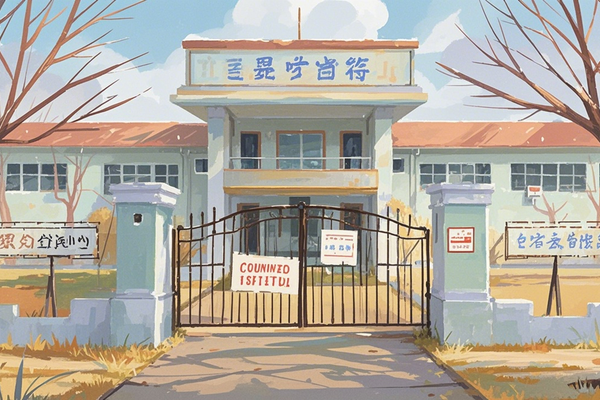
China's School Closure Wave: A Look into the Decline of Education Institutions
A surge in closures of kindergartens and now primary schools in China raises concerns about the nation's educational landscape.
In recent years, China has witnessed a significant wave of closures in its educational sector, with over 5,600 kindergartens shutting down. Now, the trend seems to be spreading to primary schools, raising questions about the future of education in the country. This article delves into the reasons behind these closures and their impact on Chinese society.
The closure of these educational institutions is not just a matter of numbers; it reflects deeper changes in Chinese society. In a country where education is traditionally valued highly, these closures are a stark reminder of the evolving priorities and challenges faced by the nation.
One of the primary reasons for the kindergarten closures is the shift in family dynamics. With both parents often working full-time, the need for affordable and accessible childcare has become more pressing. However, the rising costs of running these institutions have made it difficult for them to stay afloat. This situation is not unique to kindergartens; primary schools are also facing similar challenges.
The closure of these schools has a direct impact on children and families. In cities like Beijing and Shanghai, where competition for educational opportunities is fierce, the loss of these institutions means fewer options for parents looking to provide the best education for their children. This has led to increased stress and anxiety among parents, who are now forced to look for alternative solutions, often at a higher cost.
The cultural significance of education in China cannot be overstated. In a society where academic success is often seen as a pathway to a better life, the closure of schools is a cause for concern. It reflects a broader trend of devaluation of traditional educational institutions, which some argue is a result of the increasing importance placed on vocational training and practical skills.
In terms of cultural context, the closure of these schools also highlights the changing role of women in Chinese society. With more women entering the workforce, the traditional family structure is evolving, and this is having a ripple effect on the educational system. The need for flexible and affordable childcare options is more pressing than ever, and the closure of schools may be a symptom of the system's inability to adapt to these changes.
The impact of these closures extends beyond the immediate loss of educational institutions. It also affects the broader economy. With fewer children attending school, there is a potential decrease in demand for related services, such as school supplies and educational toys. This could have a cascading effect on the economy, particularly in areas heavily reliant on the education sector.
In conclusion, the closure of 5,600 kindergartens and the growing trend of primary school closures in China are indicative of deeper changes in the nation's educational landscape. These closures reflect the evolving priorities of Chinese society, the challenges faced by educational institutions, and the changing role of women in the workforce. As the nation continues to evolve, it remains to be seen how these changes will impact the future of education in China.