China's Rural Digital Renaissance: The Impact of Douyin and Kuaishou on Local Culture
Discover how popular apps Douyin and Kuaishou are reshaping China's rural culture, showcasing diverse local traditions and lifestyles.
In the vast expanse of China's rural landscape, a rich tapestry of cultural traditions has been woven over centuries. These traditions, deeply rooted in the lives of farmers, encompass a variety of customs, values, and social behaviors that define the essence of rural life. This cultural richness is now being redefined and reshaped by the digital revolution, particularly through platforms like Douyin and Kuaishou.
The concept of rural culture, as defined by scholar Zhao Xudong, refers to the collective cultural activities and practices that are centered around the rural community, primarily driven by the knowledge, values, and social norms of the farmers. This includes the daily life, social customs, and entertainment activities that are unique to the rural setting. According to scholars Gao Ruqing and Zhu Qizhen, rural culture can be categorized into three main types: the culture of agricultural production, the derivative culture of agricultural skills, and the festival and ritual culture of rural life.
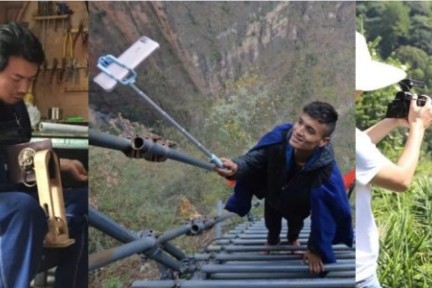
Douyin and Kuaishou, two of China's most popular short-video platforms, have become a powerful tool for rural communities to express and preserve their cultural heritage. These platforms allow farmers to share their daily lives, traditional crafts, and local festivals with a wider audience, fostering a sense of pride and identity among rural populations.
One of the most captivating aspects of rural culture in China is its culinary traditions. Chinese cuisine varies greatly from region to region, with each area offering its own unique flavors and dishes. In rural China, the preparation of food is not just a daily necessity but also a cultural ritual. For instance, in the Sichuan province, known for its spicy cuisine, local dishes like Mapo Tofu and Dan Dan Noodles are deeply rooted in the region's history and social fabric. Through Douyin and Kuaishou, these culinary traditions are being shared with the world, attracting food enthusiasts and culinary experts alike.
Traveling through rural China, one can witness the vibrant and diverse traditions that are celebrated throughout the year. The Spring Festival, also known as Chinese New Year, is a time when families come together to celebrate the arrival of a new year. In rural areas, this festival is marked by traditional customs such as dragon dances, lantern displays, and the preparation of special festive foods. These celebrations are now being documented and shared on Douyin and Kuaishou, allowing viewers to experience the joy and excitement of these events from their own homes.
The digital transformation of rural China is not limited to cultural preservation; it is also driving economic growth. Many rural entrepreneurs are leveraging Douyin and Kuaishou to sell local products, from handcrafted goods to agricultural produce. This digital marketplace is opening new opportunities for farmers to earn a living and improve their quality of life.
In the realm of education, Douyin and Kuaishou are also playing a role in bridging the gap between urban and rural China. Educational content, including language lessons, science experiments, and cultural history, is being shared by teachers and educators, making education more accessible to rural children.
The rise of Douyin and Kuaishou in rural China represents a significant shift in how the country's cultural heritage is being preserved and celebrated. These platforms are not just a source of entertainment but a tool for cultural exchange and economic development. As more rural communities embrace the digital age, their traditions and stories are being shared with the world, ensuring that these rich cultural traditions continue to thrive for generations to come.