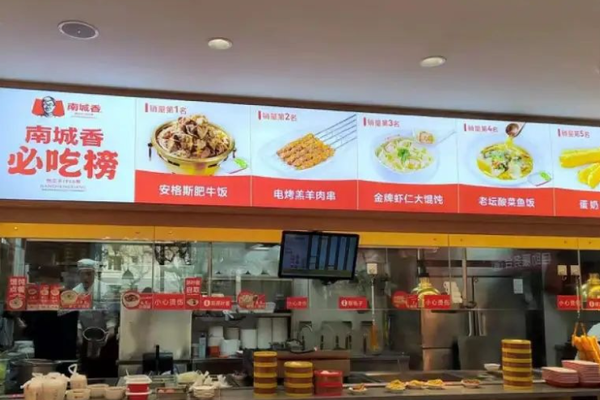
China's Restaurants Embrace Freshness with No-Prepared Meals Trend
In a culinary revolution, restaurants in China are turning to fresh ingredients, winning over customers with a return to traditional cooking methods.
In a delightful twist to the fast-paced food scene in China, a growing number of restaurants are adopting a 'no-prepared meals' policy, focusing on fresh, homemade dishes. This movement, which has been gaining traction in recent years, reflects a shift towards healthier eating and a deeper appreciation for culinary authenticity.
The trend is particularly evident in bustling urban centers like Beijing and Shanghai, where food enthusiasts are increasingly seeking out establishments that prioritize freshness and quality over convenience. These restaurants are not just offering a meal; they are providing an experience that connects diners with the roots of Chinese cuisine.
At the heart of this movement is a desire to reconnect with traditional cooking methods, which have been largely overshadowed by the convenience of pre-packaged and processed foods. By using fresh, locally sourced ingredients, chefs are able to create dishes that are not only delicious but also packed with nutritional value.
One of the key factors driving this trend is the rising health consciousness among Chinese consumers. With an increasing number of people becoming aware of the health risks associated with processed foods, there is a growing demand for natural, wholesome meals. This shift is also being influenced by the younger generation, who are more likely to seek out unique dining experiences and are willing to pay a premium for quality.
The concept of 'no-prepared meals' is not new in Chinese culture. Historically, Chinese cuisine has been renowned for its emphasis on fresh ingredients and intricate cooking techniques. However, in recent decades, the fast-food industry has surged, leading to a proliferation of restaurants that rely on pre-packaged ingredients.
This new wave of restaurants is often found in trendy neighborhoods, where they stand out with their minimalist decor and emphasis on fresh, organic ingredients. The menus are typically simple, featuring a variety of dishes that showcase the diversity of Chinese cuisine, from classic stir-fries and soups to innovative fusion dishes.
One notable aspect of this trend is the use of local ingredients. Many restaurants are sourcing their produce from nearby farms and markets, ensuring that their dishes are not only fresh but also support local agriculture. This approach not only enhances the flavor of the food but also contributes to the local economy.
In addition to the health benefits, the 'no-prepared meals' trend is also attracting attention for its sustainability efforts. By reducing reliance on processed foods, these restaurants are helping to reduce waste and promote a more sustainable food system.
As this movement gains momentum, it is likely to influence the broader food industry in China. With more consumers seeking out fresh, homemade meals, restaurants that embrace this trend are not only catering to current demand but are also setting the stage for a new era of culinary excellence.
In conclusion, the 'no-prepared meals' trend in China represents a significant shift in the country's food culture. By focusing on fresh ingredients and traditional cooking methods, these restaurants are not only winning over customers with their delicious food but also contributing to a healthier, more sustainable future.