China's Push for Consumer Upgrades: A Glimpse into Modern Shopping Trends
China's Ministry of Commerce outlines plans to enhance consumer experiences through upgraded goods, technology, and brand innovation.
In a move to revitalize the retail sector, China's Ministry of Commerce has recently issued the 'Implementation Opinions on Promoting the Expansion and Upgrade of Consumer Goods'. This comprehensive plan, in line with the '15th Five-Year Plan', aims to invigorate the market by focusing on brand leadership, standardization, and the integration of new technologies. It also seeks to stabilize bulk purchases and encourage the replacement of outdated consumer goods, catering to diverse consumer needs.
The initiative reflects a broader trend in China, where the middle class is growing and demanding higher-quality products and services. This shift is evident in the food industry, where traditional Chinese cuisine is being reimagined with modern twists. For instance, fusion restaurants in cities like Beijing and Shanghai are blending local flavors with international ingredients, creating a unique dining experience that appeals to both locals and tourists. This fusion can be likened to the 'foodie' culture in Western countries, where culinary exploration is a popular pastime.
In the realm of technology, China is at the forefront of innovation. The integration of new technologies in consumer goods is not just limited to smartphones and electronics but extends to everyday items like kitchen appliances and home decor. For example, smart kitchen gadgets, such as robotic cooking assistants and voice-controlled lighting systems, are becoming increasingly popular among tech-savvy consumers. This mirrors the trend in Western countries where smart home technology is rapidly gaining traction.
Education also plays a significant role in shaping consumer behavior in China. The country's emphasis on academic excellence has led to a surge in educational technology, with e-learning platforms and educational apps becoming mainstream. This is akin to the rise of online learning platforms in the West, which have transformed the way people access education.
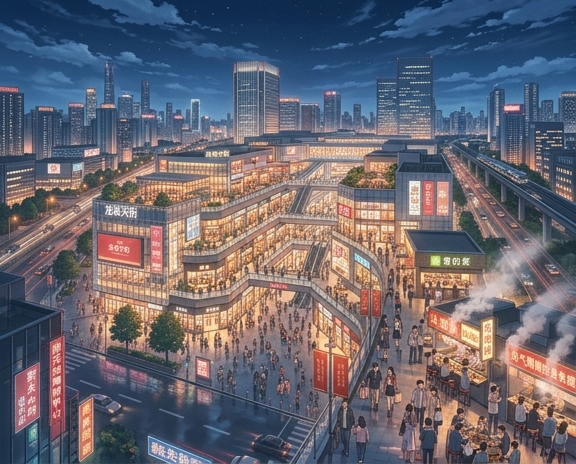
Shopping experiences in China are also evolving. Traditional markets, like those in the bustling streets of Guangzhou or the serene alleys of Hangzhou, are being complemented by modern shopping malls and online shopping platforms. The rise of e-commerce giants like Alibaba and JD.com has revolutionized the retail landscape, offering consumers a vast array of products at competitive prices. This shift is reminiscent of the rise of online shopping in the United States, where Amazon has become a household name.
Transportation is another area where China is leading the way. The country's high-speed rail network, known as the 'Bullet Train', is a testament to its commitment to modernization. This efficient and convenient mode of transport has not only transformed travel within the country but has also become a symbol of China's technological prowess. It stands in stark contrast to the slower, more traditional train systems found in many Western countries.
City life in China is a blend of tradition and modernity. Cities like Shanghai, with its futuristic skyline and historical sites like the Bund, offer a unique urban experience. The vibrant street culture, with its blend of traditional Chinese art forms and contemporary urban art, reflects the dynamic nature of Chinese society. This cultural richness is akin to the diverse urban landscapes found in cities like New York or London.
Entertainment in China is diverse, ranging from traditional forms like Peking Opera and Kung Fu to modern trends like online gaming and reality TV shows. The popularity of reality TV shows in China, such as 'The Voice of China' and 'Idol Producer', mirrors the global trend of these formats. These shows often feature young, charismatic contestants, reminiscent of Western equivalents like 'The Voice' and 'American Idol'.
In conclusion, China's push for consumer upgrades is a reflection of the country's rapid modernization and the evolving tastes of its increasingly affluent population. From high-tech gadgets to fusion cuisine, and from bustling city life to serene traditional markets, China offers a rich tapestry of experiences that are reshaping the global consumer landscape.