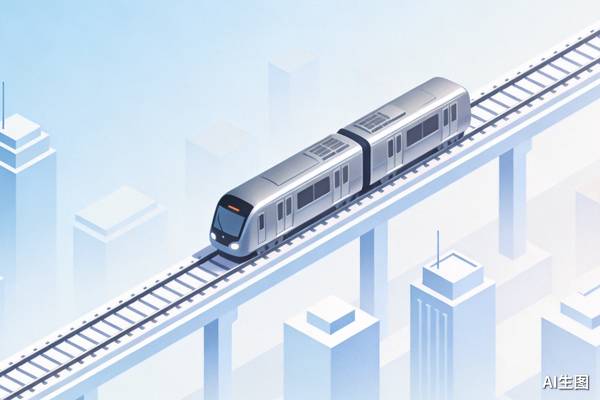
China's Metropolis Expansion: Revival of Metro Projects
After a two-year halt, China's metro projects are set to resume, reshaping urban life and transportation in key cities.
China, a country known for its bustling cities and rapid urbanization, is witnessing a revival in its metro projects. This resurgence comes after a two-year pause, which was initially implemented in 2017 due to the suspension of the Baotou Metro project and concerns over local debt risks. This pause was a significant moment for China's urban development, as it affected the approval of city轨道交通 (city rail transit) construction plans.
The halt in metro projects had a notable impact on cities like Baotou, a city in Inner Mongolia, which was one of the first to experience the effects of the suspension. Baotou, known for its rich coal mining history, has been striving to diversify its economy and improve its public transportation system. The suspension of the metro project was a setback for the city's modernization efforts.
However, the situation changed in 2018 when the approval process for metro projects was restarted. Cities such as Xi'an, Zhengzhou, and Changchun, among others, saw their metro plans approved in the latter half of 2018 and early 2019. This approval wave marked a significant shift in China's approach to urban development, focusing on improving public transportation to ease traffic congestion and reduce pollution.
Xi'an, the ancient capital of China, is a city that has always been at the forefront of cultural heritage and modern innovation. The metro project in Xi'an is not just a means of transportation; it's a symbol of the city's commitment to sustainable urban growth. The metro system is expected to enhance connectivity within the city, making it easier for locals and tourists to explore the city's famous historical sites, such as the Terracotta Army.
Zhengzhou, another city that benefited from the metro project revival, is known for its vibrant food scene. The city's streets are lined with various local delicacies, from spicy Sichuan cuisine to sweet Henan snacks. The metro system is expected to boost the local economy by attracting more tourists and providing easier access to these culinary delights.
Changchun, the capital of Jilin Province, is famous for its beautiful parks and serene lakes. The metro project is anticipated to improve the city's public transportation, making it more accessible for residents and visitors to enjoy the city's natural beauty. The metro system will also facilitate travel to the nearby Changchun Film Studio, a hub for Chinese film production, offering a glimpse into the country's thriving entertainment industry.
The revival of metro projects in China is a testament to the country's commitment to modernizing its urban landscapes. As these projects progress, they will not only reshape the face of Chinese cities but also enhance the quality of life for millions of residents. The improved transportation infrastructure will undoubtedly have a ripple effect on various aspects of everyday life, from education and shopping to entertainment and cultural experiences.
In conclusion, the resumption of metro projects in China signifies a new era of urban development. It's a move that promises to bring about positive changes in transportation, economy, and quality of life for the citizens of these bustling metropolises.