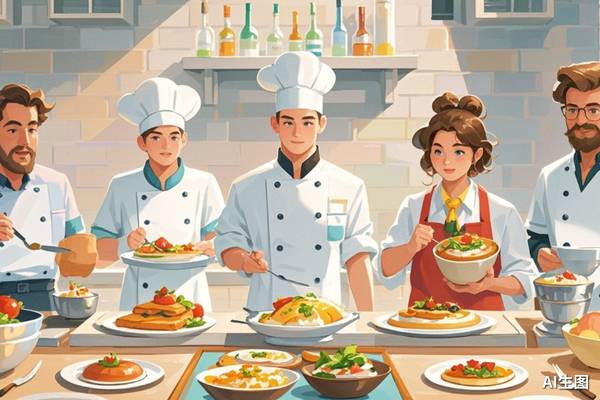
China's Culinary TV Show Showdown: The Race to Become 'Chef God'
Three major platforms in China are vying for viewership with their own versions of cooking competition shows, aiming to crown the next 'Chef God'.
In a culinary battle that has captured the hearts and taste buds of millions, three major Chinese streaming platforms are in a fierce competition to outdo each other with their cooking competition shows. The shows, known as 'Chef God' programs, have become a summer staple, attracting a diverse audience ranging from food enthusiasts to casual viewers.
The term 'Chef God' is a play on the concept of 'God of Cookery', a title often associated with Chinese culinary legends like Yang Zhenqing, who is known for his mastery of traditional Chinese cuisine. In this modern context, the title signifies the highest honor a chef can achieve on these television shows.
Each platform has its own unique approach to the format. For instance, one platform has integrated AI short dramas and animated series into the cooking competition, creating a multimedia experience that combines culinary skills with storytelling. This is a reflection of China's rapidly growing tech industry and its integration into everyday life, including entertainment.
Another platform has ventured into the realm of romance with its 'Cooking and Love' show, blending the romantic drama with cooking challenges. This format is reminiscent of popular Western reality TV shows that combine dating with a competitive element, such as 'The Bachelor' or 'The Bachelorette'.
The shows also feature well-known Chinese celebrities, who often have a strong fan base. For example, Yang Chaoyue, a popular singer and actress, has appeared on one of these shows, bringing her charm and popularity to the competition. Her presence on the show is a testament to the power of celebrity endorsements in China's entertainment industry.
In terms of food, the shows often feature a variety of regional Chinese dishes, showcasing the diversity of Chinese cuisine. This not only educates viewers about different regional specialties but also promotes local flavors and ingredients. For instance, dishes like Peking duck, Sichuan hotpot, and Cantonese dim sum are often highlighted, each with their own unique preparation methods and flavors.
The shows also incorporate elements of Chinese culture and tradition. For example, some episodes may feature traditional cooking techniques passed down through generations, or they may focus on the cultural significance of certain ingredients. This not only adds to the entertainment value but also serves as a cultural lesson for viewers.
In terms of technology, the shows are not just limited to traditional cooking challenges. Some have incorporated AI elements, such as AI judges or AI chefs, which is a reflection of China's leadership in AI technology. This integration of AI into entertainment is a sign of how quickly technology is evolving and becoming a part of daily life in China.
The popularity of these shows is not just confined to the screens of the streaming platforms. They have also sparked a wave of interest in cooking and culinary arts among the younger generation. Cooking classes, cooking equipment sales, and even online cooking challenges have surged in popularity, indicating a cultural shift towards a greater appreciation for culinary skills and food culture.
In conclusion, the 'Chef God' shows are more than just cooking competitions; they are a reflection of China's vibrant culinary scene, its rich cultural heritage, and its rapid technological advancements. As these shows continue to evolve, they are sure to capture the interest of viewers around the world, offering a glimpse into the everyday life and cultural phenomena of modern China.