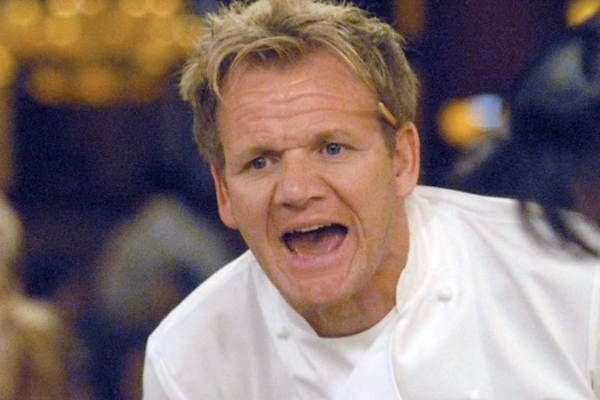
China's Culinary Scene: A Gourmet's 'Torture' of Taste
Discover the thrilling world of Chinese culinary exploration as 'Master Chef's Kitchen' series puts chefs to the test, showcasing the vibrant food culture and unique dining experiences in China.
In a world where food is not just sustenance but an art form, China's culinary scene is thriving with diverse flavors and innovative dining experiences. One such series that has captured the attention of food enthusiasts is 'Master Chef's Kitchen', a popular show that takes chefs on a culinary 'torture' test, pushing their skills to the limit. This article delves into the fascinating world of Chinese gastronomy, exploring the unique dining experiences that have become a staple in everyday life across the nation.
The show, which has gained a massive following, features renowned chefs who are challenged to create exquisite dishes in a limited time, often with unconventional ingredients. This not only showcases their culinary expertise but also highlights the vast array of flavors and textures that Chinese cuisine offers. The series often takes viewers on a journey through various regions of China, each with its own distinct culinary traditions and specialties.
One of the most captivating aspects of Chinese cuisine is its regional diversity. For instance, Sichuan cuisine, known for its bold and spicy flavors, is a stark contrast to the delicate and subtle tastes of Cantonese cuisine. In Sichuan, dishes like Mapo Tofu and Kung Pao Chicken are beloved for their fiery heat, while Cantonese cuisine offers dishes like Dim Sum and Roast Duck, which are known for their lightness and freshness. This regional variation is a testament to the rich culinary heritage of China.
Chinese food culture is also deeply intertwined with the country's history and traditions. For example, the custom of serving tea with meals is a reflection of the Chinese people's love for tea, which is considered a symbol of health and longevity. The art of tea ceremony, with its meticulous preparation and presentation, is a ritual that has been passed down through generations.
In recent years, there has been a surge in the popularity of street food in China. Street vendors, known as 'maochang', are a common sight in cities like Shanghai and Beijing, offering a variety of mouth-watering snacks like Peking duck, scallion pancakes, and spicy hotpot. These street foods are not just a culinary delight but also a cultural experience, providing a glimpse into the everyday life of the Chinese people.
The rise of food delivery apps like Ele.me and Meituan has also revolutionized the way people dine in China. These apps offer a vast array of food options from local eateries to international cuisine, making it convenient for people to enjoy a variety of flavors without leaving their homes. This shift has not only made dining more accessible but has also given rise to a new wave of food influencers and bloggers who share their culinary adventures with followers online.
In addition to traditional dining experiences, China's culinary scene is also embracing technology. Smart restaurants are becoming increasingly common, with features like AI waiters and automated cooking systems. These innovations are not only enhancing the dining experience but are also contributing to the growth of the food tech industry in China.
'Master Chef's Kitchen' is just one of the many examples of how China's culinary scene is evolving and captivating the world. From its rich regional diversity to its deep cultural roots, Chinese cuisine continues to be a source of fascination and delight for food lovers everywhere.