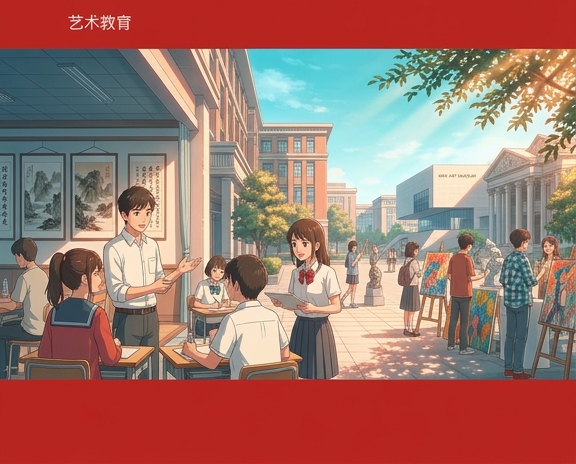
Art Education Shifts: China's Universities Tweak Art Exam Policies
In recent years, China's art education landscape has seen significant changes, with universities adjusting their entrance exam policies for art majors. This shift reflects broader trends in the country's cultural and technological evolution.
In a move that reflects the evolving landscape of education and culture in China, multiple universities have announced the cancellation of their own art entrance exams. This decision comes in the wake of increasing emphasis on cultural scores, the enhancement of provincial standardized tests, and the strict control of the scope of school-based exams. These changes have gradually transformed the traditional perception of art education as a gateway to higher education.
The shift in policy is part of a broader trend in China, where the value of art education is being re-evaluated. In recent years, some traditional art majors have found themselves on the 'red list' of jobs with poor employment prospects. This has been compounded by the growing influence of artificial intelligence (AI), which has begun to impact various art fields. For instance, AI's ability to create art has raised questions about the future of traditional art education and the relevance of certain art skills in the job market.
In this context, the cancellation of school-based art exams signifies a move away from the traditional 'art as a ticket to higher education' mindset. Instead, it suggests a focus on nurturing a more diverse range of skills and knowledge among art students. This shift is also in line with the broader cultural and technological trends in China.
China's cultural scene is rich and diverse, with a strong emphasis on traditional arts such as painting, calligraphy, and music. However, in recent years, there has been a growing interest in contemporary art forms, including digital art and design. This shift is reflected in the curriculum of many art schools, which now offer a wider range of courses to cater to these changing interests.
One of the most significant changes in art education in China has been the integration of technology. Many art schools now offer courses in digital art, animation, and game design, reflecting the country's rapidly growing tech industry. This integration of technology into art education is not only preparing students for the job market but also fostering a new generation of artists who are comfortable working with digital tools.
The cancellation of school-based art exams also reflects the importance of standardized testing in China's education system. The provincial standardized tests, which are now playing a more significant role in art education, are designed to assess a student's overall knowledge and skills. This approach is seen as a more fair and objective way of evaluating students, as it reduces the influence of school-based exams, which can be subject to bias and favoritism.
In terms of cultural context, the shift in art education policies in China is part of a larger trend towards a more open and diverse cultural landscape. This is evident in the increasing number of international students studying art in China, as well as the growing number of Chinese artists showing their work internationally. This cultural exchange is not only enriching the art scene in China but also contributing to a more global perspective among Chinese artists.
In conclusion, the cancellation of school-based art exams in China's universities is a significant development that reflects the evolving nature of art education in the country. It signifies a move towards a more diverse and technologically advanced approach to art education, one that prepares students for the challenges of the modern job market while also fostering a deeper appreciation of the arts.