2026 National Day Spending in China: A Thriving Celebration
This article explores the vibrant consumer spending during the 2026 National Day holiday in China, highlighting the bustling markets and shopping scenes in cities like Hangzhou and Ningbo.
The 2026 National Day holiday in China saw a surge in consumer spending, with cities across the nation celebrating with fervor. In Hangzhou, a popular tourist destination known for its beautiful West Lake and rich history, the local business sector experienced a significant boost. According to data from the Hangzhou Bureau of Commerce, from September 30th to October 6th, the city's five major industries—wholesale, retail, catering, accommodation, and entertainment—recorded a total consumption of 21.878 billion yuan, marking a 1.3% increase from the previous year.
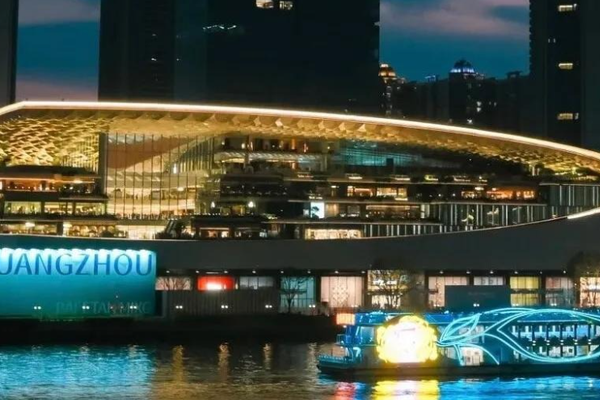
The city's bustling commercial areas, including the Qianjiang New Town, Wulin, Hubei, and Olympic Sports Center, saw a remarkable 19.0% growth in consumer spending, totaling 2.048 billion yuan. Notable among these was Hangzhou Department Store, where sales increased by 6%.
Hangzhou, known for its serene lakeside views and vibrant city life, offers a unique blend of traditional Chinese culture and modern urban development. The city's food scene, featuring local delicacies like West Lake Fish in Vinegar Gravy and Dongpo Pork, plays a significant role in its appeal. During the holiday, these culinary delights were in high demand, contributing to the overall increase in consumption.
In neighboring Ningbo, another coastal city known for its seafood and historic sites, the holiday period saw a surge in spending as well. Key enterprises in Ningbo reported a total of 716 million yuan in revenue over the first six days of the holiday, with shopping malls raking in 336 million yuan in sales.
The National Day holiday in China is a time when families come together to celebrate the country's achievements and enjoy the festive spirit. It's a time when people engage in various activities, from shopping for new clothes and electronics to dining out at trendy restaurants. The increase in consumer spending reflects the growing prosperity and the nation's strong economic recovery.
The shopping spree was not limited to just Hangzhou and Ningbo. Across China, cities like Beijing, Shanghai, Guangzhou, and Shenzhen experienced a similar surge in consumer spending. In Beijing, the bustling Wangfujing Street was a hub of activity, with shoppers indulging in luxury goods and traditional Chinese crafts. Shanghai, known for its modern skyline and vibrant nightlife, saw a rise in spending at its chic boutiques and high-end restaurants.
The holiday also saw a surge in travel and tourism. With the easing of travel restrictions, people flocked to popular tourist destinations, including the Great Wall, the Terracotta Army in Xi'an, and the Li River in Guilin. The travel industry, which had been hit hard by the pandemic, saw a much-needed boost during the holiday period.
In terms of entertainment, the holiday was marked by a variety of events, from traditional performances like the Beijing Opera and Peking Acrobatics to modern concerts and exhibitions. The entertainment industry, which includes film, music, and theater, also experienced a significant increase in revenue.
The 2026 National Day holiday in China was a testament to the nation's economic resilience and the spirit of celebration. As the country continues to grow and develop, such holidays offer a glimpse into the vibrant and dynamic nature of everyday life in modern China.