14 Iconic Malls in China: A Decade of Retail Evolution
Discover the evolution of retail in China through 14 'deified' malls, each showcasing unique architectural and cultural elements.
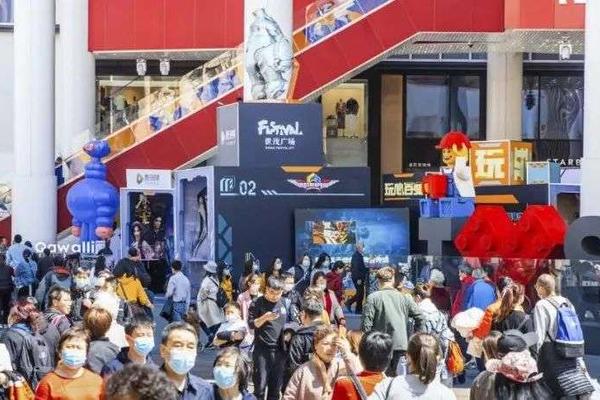
In the bustling heart of China, a remarkable transformation has taken place over the past decade in the retail landscape. 14 malls, often referred to as 'deified' or '封神级' in Chinese, have emerged as iconic destinations, encapsulating the country's rapid commercial evolution. Among these, the Fangcaodi mall stands out for its innovative approach to blending art and commerce.
Fangcaodi Mall, a beacon of modern retail, has made a bold statement by sacrificing commercial space to showcase large-scale sculptures. The mall boasts forty pieces of work by the renowned Spanish artist Salvador Dalí, along with over five hundred other art pieces. These art installations are not enclosed by protective barriers, creating an immersive experience that feels like wandering through an art museum. This is a testament to China's growing appreciation for art and culture, reflecting the nation's shift from a manufacturing powerhouse to a consumer-driven economy.
The mall's longest indoor bridge in China, stretching 236 meters, and a 2000-square-meter public art gallery further enhance the experience. This fusion of art and retail is not just a novelty but a strategic move to attract customers. The addition of galleries, exhibitions, and urban pathways has transformed the mall into a cultural hub, hosting regular art exhibitions that engage and delight visitors.
In a country where traditional Chinese aesthetics are deeply rooted, the integration of art into the shopping experience is a nod to the nation's rich cultural heritage. The concept of a 'city channel' within the mall is another example of this cultural blend, offering a seamless transition between shopping and urban life.
The mall's commitment to cultural enrichment is not limited to art. It also includes hosting events and activities that cater to a diverse range of interests. This approach reflects the dynamic nature of Chinese society, where traditional values coexist with modern trends.
The success of these malls can be attributed to several factors. Firstly, the Chinese consumer's growing disposable income has led to a surge in demand for unique and high-quality shopping experiences. Secondly, the malls' strategic locations in bustling urban centers ensure high foot traffic. Lastly, the integration of technology, such as augmented reality (AR) experiences, has further enhanced the shopping experience.
These malls are more than just places to shop; they are cultural landmarks that reflect the dynamic spirit of modern China. They offer a glimpse into the country's commercial evolution, showcasing how China has transformed from a producer to a consumer society.
In conclusion, the 14 'deified' malls in China are not just commercial spaces; they are cultural treasures that encapsulate the nation's journey over the past decade. With their innovative designs, cultural integration, and technological advancements, these malls have set a new standard for retail experiences, making them destinations that are as much about the journey as the destination.